
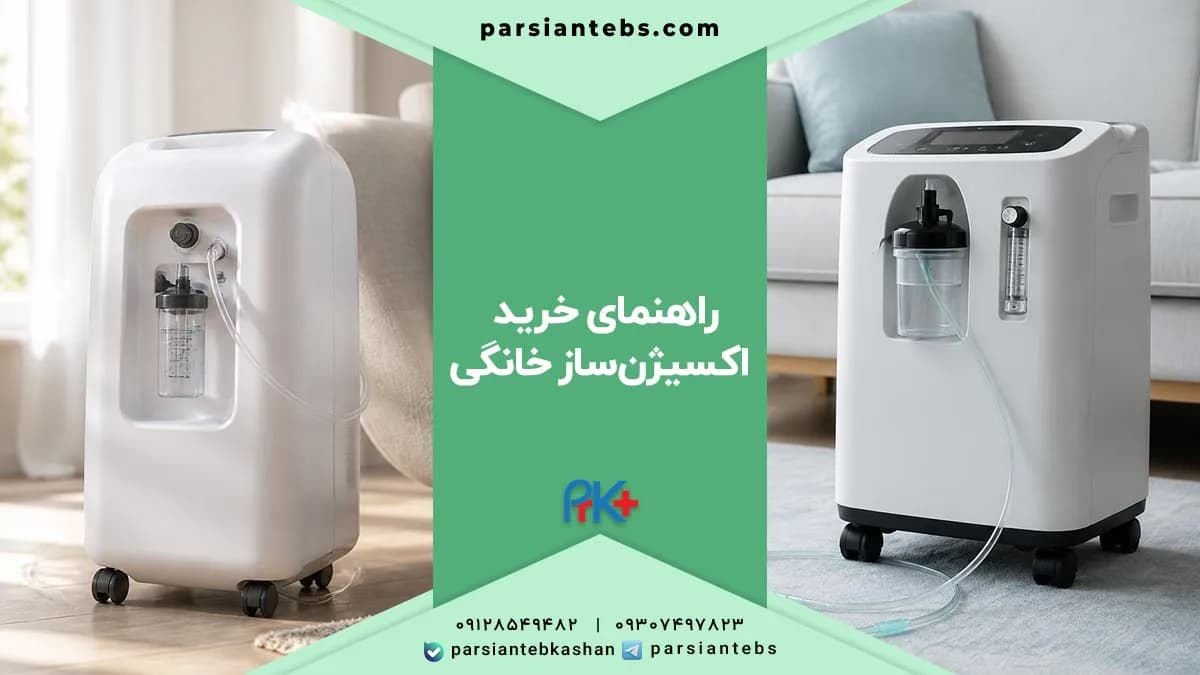
Home Oxygen Concentrator Buying Guide: What Liters-per-Minute Capacity Do You Need?
If you are planning to buy a home oxygen concentrator , you have probably come across models with different capacities such as 3, 5, 8 or 10 liters per minute. At first glance, you might think that the higher the device's capacity, the better the choice; in reality, however, the right capacity depends on how much oxygen the patient needs, the doctor's opinion and the type of use. A wrong choice can not only increase costs but also fail to properly meet the patient's treatment needs.
Understanding the concept of liters-per-minute capacity and the differences between models helps you choose a device that both meets the patient's needs and is a more sensible choice in terms of cost and performance. Many users look only at price or brand when buying an oxygen concentrator, while factors such as output flow rate, oxygen purity, power consumption and the patient's physical condition also play an important role in choosing the device.
What is the capacity of a home oxygen concentrator (liters per minute), and how do you choose the right one?
The capacity of a home oxygen concentrator is expressed in liters per minute (LPM) and shows the maximum amount of oxygen the device can deliver to the patient each minute. The right capacity should be chosen based on the amount of oxygen prescribed by the doctor.
For many patients, a 5-liter oxygen concentrator meets their daily needs, but some people need 8-liter or 10-liter models. So a higher capacity is not always the better choice; the best option is a device that can supply the oxygen the patient needs steadily and at standard purity.
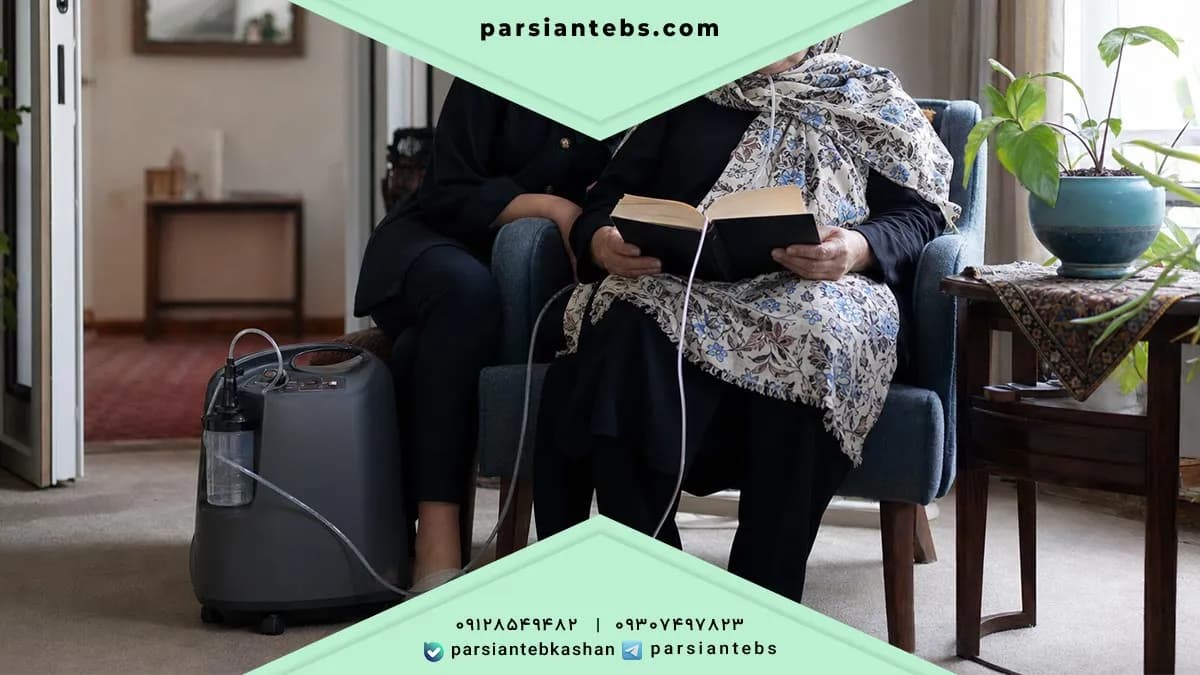
How is liters per minute (LPM) measured?
Liters per minute (Liters Per Minute, or LPM) is the unit for measuring the flow rate of oxygen and shows what volume of oxygen the device delivers to the patient each minute through a nasal cannula or mask. For example, if a device's specifications state 5 LPM, it means the device can produce and deliver up to 5 liters of oxygen per minute to the patient. This does not mean the maximum capacity is used all the time, however, because the oxygen flow is set with the device's flowmeter according to the doctor's prescription, and the patient may need only 2 or 3 liters per minute.
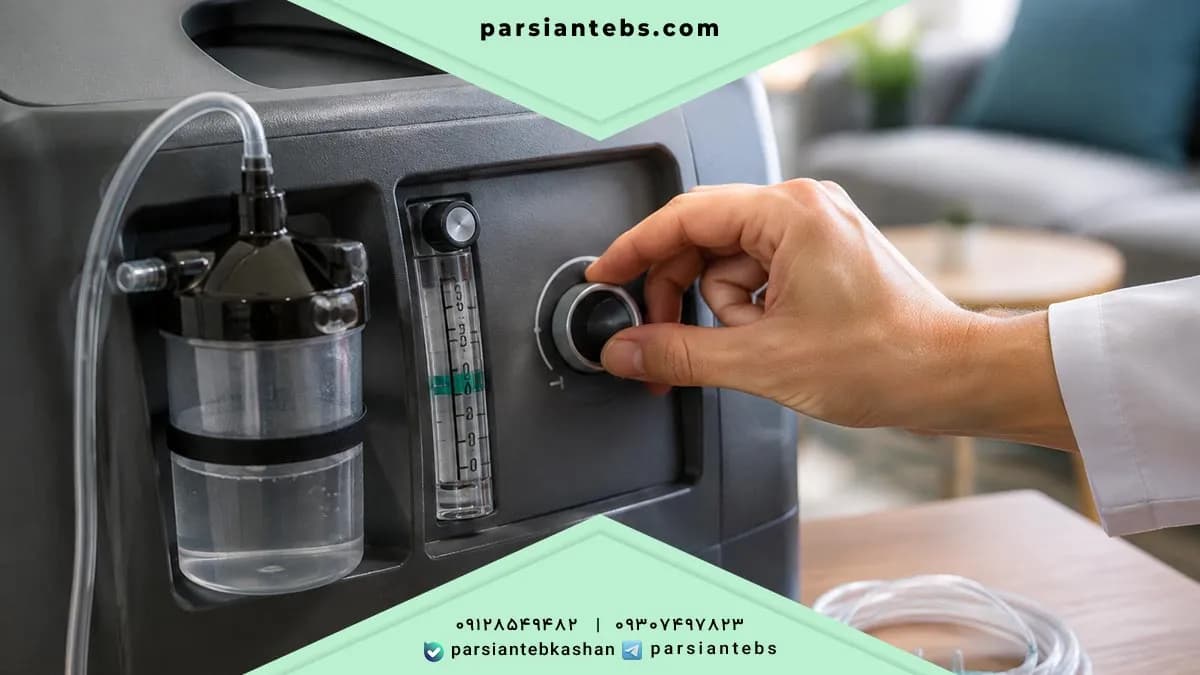
For this reason, when following a home oxygen concentrator buying guide, keep in mind that the device's capacity must meet the patient's current needs and be able to deliver the oxygen flow without any loss of quality.
What is the difference between output capacity and oxygen purity?
Many people buying an oxygen concentrator assume that the higher the device's capacity, the purer the oxygen it produces; in fact, output capacity and oxygen purity are two completely different concepts. Output capacity refers to the volume of oxygen the device delivers to the patient each minute and is measured in liters per minute. Oxygen purity (Oxygen Purity), on the other hand, shows what percentage of the gas coming out of the device is oxygen.
Home oxygen concentrators use PSA (Pressure Swing Adsorption) technology and zeolite (Zeolite) filters to separate nitrogen from the ambient air and produce oxygen with a purity of about 90 to 96 percent. If the device meets standards and is properly maintained, this purity stays within the specified range.
Therefore, when choosing a home oxygen concentrator, you should check both the device's capacity and its oxygen purity. A device with the right capacity that cannot maintain standard oxygen purity will not perform well. On the other hand, buying a device with a very high capacity when the patient does not need it only adds cost and does not necessarily bring any particular treatment benefit.
What capacities do home oxygen concentrators come in?
Home oxygen concentrators are made in different capacities to meet the needs of patients with different treatment conditions. The capacity of these devices is expressed in liters per minute (LPM) and indicates the maximum amount of oxygen the device can deliver to the patient each minute. The most common models on the market are 3, 5, 8 and 10 liter devices, each designed for a specific group of patients.
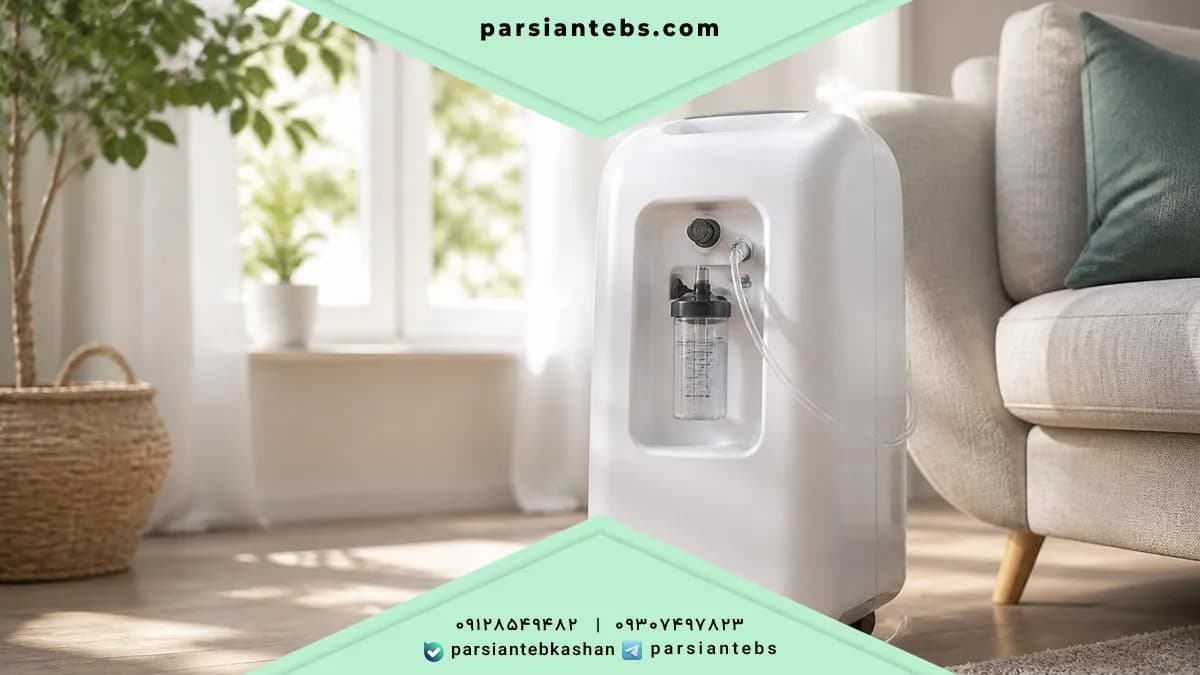
Who is a 3-liter oxygen concentrator suitable for?
A 3-liter oxygen concentrator is designed for patients who need a low oxygen flow and whose doctor has prescribed a maximum of 3 liters per minute. These devices are usually smaller, use less electricity and are more affordable than higher-capacity models; however, they are not suitable for every patient.
If the patient needs a higher oxygen flow in the future, this device's capacity may not be enough for their condition. For this reason, the patient's treatment needs should be carefully assessed before buying a 3-liter oxygen concentrator.
This capacity is usually suitable for:
· Patients whose doctor has prescribed an oxygen flow of less than 3 liters per minute.
· People in the early stages of certain respiratory diseases who need only a small amount of supplemental oxygen.
· Patients who use oxygen therapy for a short time or intermittently.
· People looking for a low-power, lightweight and compact device for home use.
The 5-liter oxygen concentrator: the common choice for home use
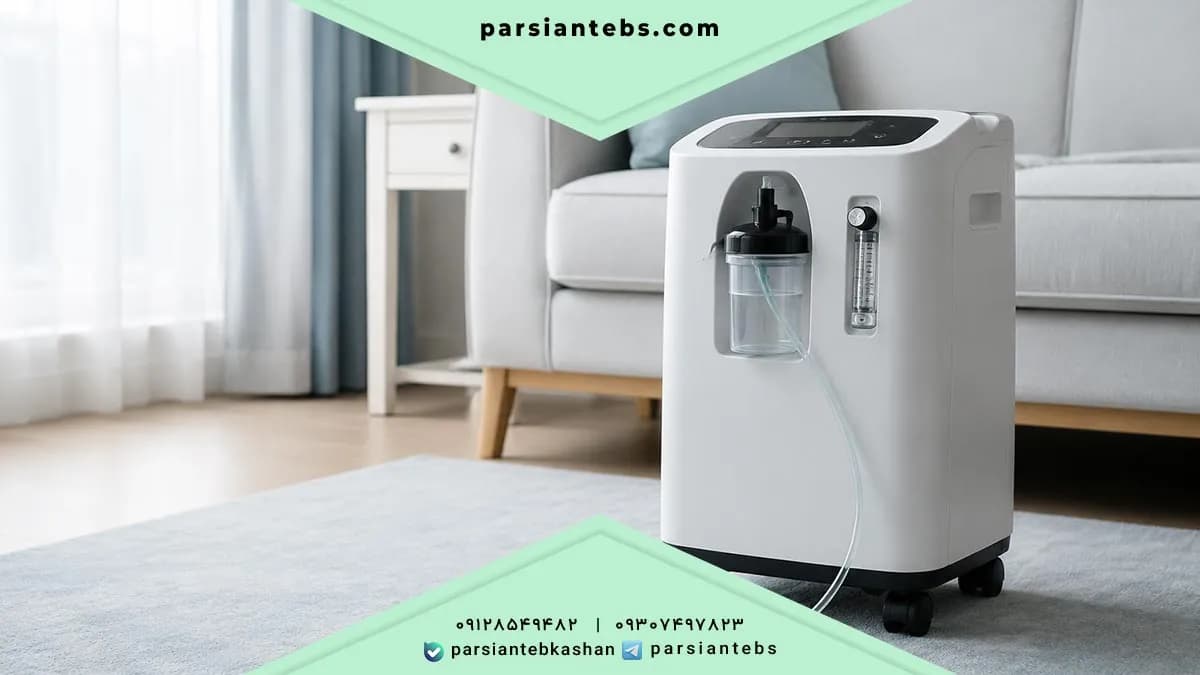
The 5-liter oxygen concentrator is the most common capacity among home oxygen concentrators and is a suitable choice for a large share of patients who need oxygen therapy. It can supply an oxygen flow of up to 5 liters per minute and, in many cases, adequately covers the needs of patients with chronic respiratory diseases.
The popularity of this model comes from its good balance of capacity, price, energy consumption and size. Many doctors recommend this capacity for patients who need oxygen therapy at home, provided a flow of 5 liters per minute is sufficient. Compared with 8-liter or 10-liter models, these devices also usually run more quietly, weigh less and cost less to maintain.
In addition, a 5-liter capacity allows the oxygen flow to be set at a lower level if the patient's needs change. That is why many families choose this model when buying a home oxygen concentrator: besides meeting the needs of most patients, it is also a more economical option than higher-capacity devices.
Summary
Choosing the right home oxygen concentrator is not just about the brand or price of the device. The liters-per-minute (LPM) capacity should match the amount of oxygen the patient needs and be chosen according to the doctor's prescription. In many cases, a 5-liter oxygen concentrator meets the needs of home patients, but some patients need 8-liter or 10-liter models.
When buying an oxygen concentrator, it is also best to check factors such as oxygen purity, noise level, power consumption, build quality, warranty and after-sales service in addition to capacity, so that your choice is reliable and suited to the patient's treatment conditions.
If you need more guidance on choosing the right capacity or comparing different oxygen concentrator models, the experts at Parsian Teb are here to help. For advice and to reach our support team, simply visit our Contact Us page and we will recommend the best option for the patient's needs.
Frequently asked questions
What capacity of oxygen concentrator is suitable for home use?
The answer depends on how much oxygen the patient needs. For many home patients, a 5-liter oxygen concentrator is a suitable option; ultimately, however, the device's capacity should be chosen according to the doctor's prescription and the patient's condition.
What is the difference between a 5-liter and a 10-liter oxygen concentrator?
The main difference between these two devices is their maximum oxygen output. A 5-liter oxygen concentrator produces up to 5 liters and a 10-liter model up to 10 liters of oxygen per minute. A 10-liter device is usually more suitable for patients who need a higher oxygen flow or who are in particular treatment situations.
Does a higher capacity mean a better oxygen concentrator?
No. A higher capacity only indicates the device's ability to supply a larger volume of oxygen and does not necessarily increase the quality or purity of the oxygen. When buying an oxygen concentrator, you should consider oxygen purity, build quality and after-sales service in addition to capacity.
If the doctor has prescribed 2 liters of oxygen, should we buy a 2-liter oxygen concentrator?
No. What matters when buying is the capacity the device can support, not the prescribed number. For example, a 5-liter oxygen concentrator can be set to 2 liters per minute and deliver exactly the amount of oxygen the patient needs.