
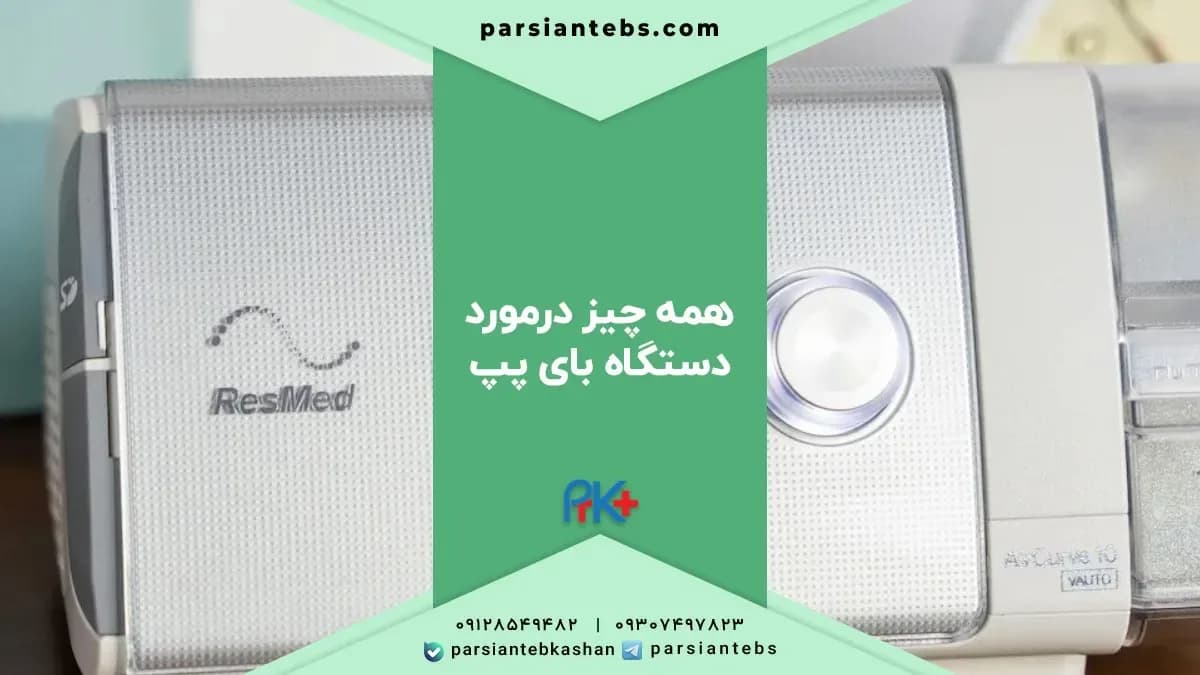
What Is a BiPAP Machine? Uses, How It Differs from CPAP, and Tips for Use
BiPAP , or BPAP, is a non-invasive ventilation device that delivers two levels of positive pressure through a mask: a higher pressure during inhalation helps air flow in, and a lower pressure during exhalation makes it easier to breathe out. It is prescribed for some sleep-related breathing disorders, respiratory weakness or raised carbon dioxide, but diagnosis, pressure settings and the choice of mode must be handled by a specialist team. Stay with us in the rest of this article from the Parsian Teb online medical equipment store for more.
A BiPAP machine is not an oxygen concentrator and does not necessarily produce oxygen. Adding oxygen, changing the pressure or changing the device's mode without a prescription can be dangerous.
IPAP and EPAP: What Are They?
IPAP is the airway pressure during inhalation and EPAP is the pressure during exhalation. The difference between the two levels helps support the breathing volume, and EPAP can help keep the airway open. Some devices have a backup rate or advanced modes. The right values depend on the condition, a sleep study or blood gas test, and the patient's tolerance.
What Conditions Is BiPAP Used For?
Some cases of sleep apnea that are not controlled with CPAP or need bilevel pressure
Obesity hypoventilation
Some neuromuscular diseases and weakness of the breathing muscles
Some COPD patients with carbon dioxide retention
Non-invasive support in respiratory failure under monitoring at a healthcare facility
Active vomiting, severely reduced consciousness, inability to protect the airway or severe instability can make mask use unsuitable. In acute situations, the decision must be made promptly by the care team.
How BiPAP Differs from CPAP
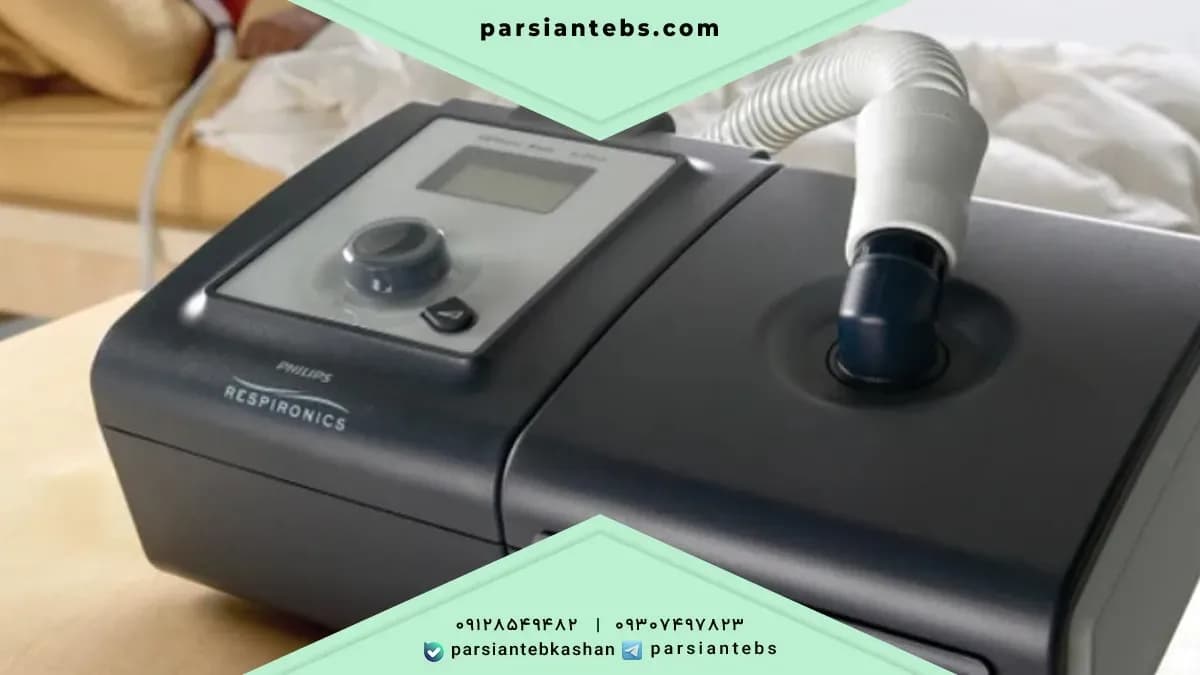
CPAP provides one continuous pressure and is very common in treating obstructive sleep apnea. BiPAP has two pressure levels and can make exhaling easier or provide more breathing support. Being better or stronger is not the selection criterion; the right device is determined by the diagnosis and the patient's response.
How BiPAP Differs from an Invasive Ventilator
BiPAP usually uses a mask and has no artificial airway. An invasive ventilator delivers air through a tube in the windpipe or a tracheostomy and gives more control in more severe conditions. Some home ventilators also have non-invasive modes, so the device name alone is not enough.
System Components
Main unit and power supply, or a battery on applicable models
Breathing tube
Nasal, oronasal or other mask type, according to the prescription
Headgear straps without excessive pressure
Air inlet filter
Heated humidifier, if prescribed
For some patients, a circuit and equipment for adding oxygen according to the treatment plan
Nightly Use at Home
Place the device on a stable surface with an unobstructed air inlet.
Fill the humidifier according to the manual with the recommended water, and avoid overfilling.
Adjust the mask in your usual sleeping position; over-tightened straps do not necessarily stop leaks and they damage the skin.
Continue treatment for the prescribed hours and report the data or symptoms at follow-up visits.
Prepare a backup plan and the supplier's phone number in advance for power cuts, travel or breakdowns.
Mask Leaks, Dryness and Bloating
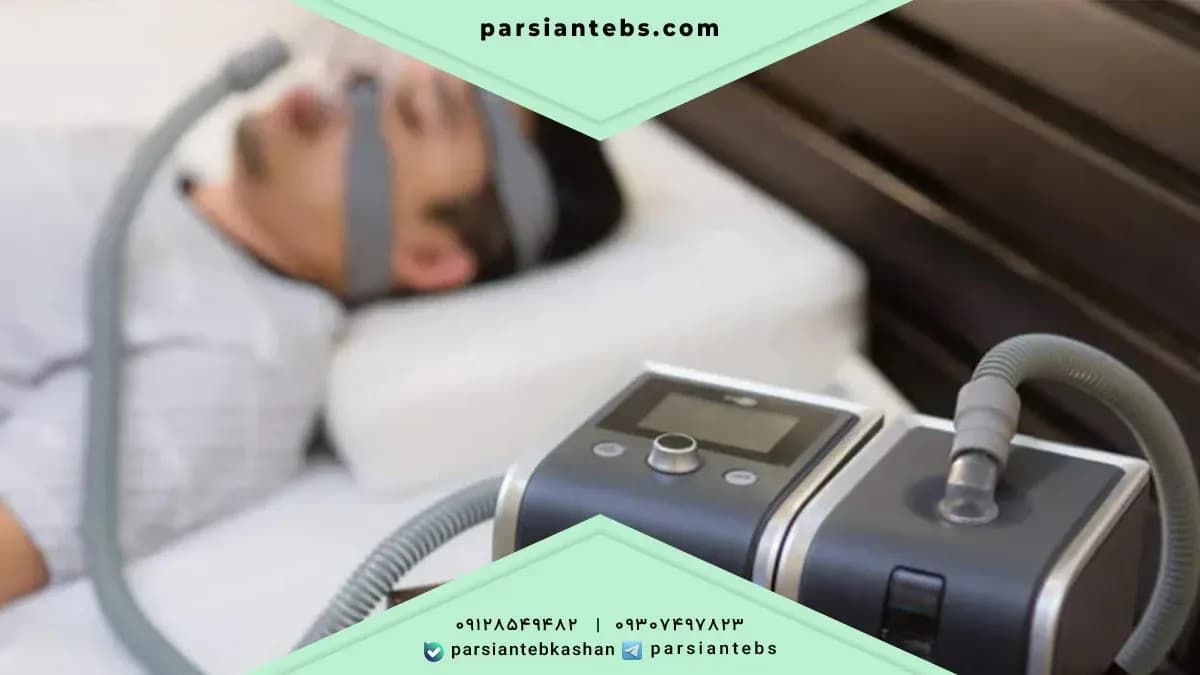
Leaks can come from the wrong size, pillow position, a worn cushion or an open mouth. First clean the mask and refit it in your sleeping position. Nasal and mouth dryness may improve when the care team adjusts the humidity. Bloating, morning headaches, sleepiness or persistent shortness of breath should be reported; do not change the pressure on your own.
Cleaning and Replacing Parts
Clean the mask cushion regularly according to the manual and let it dry completely.
Empty, wash and air-dry the humidifier tank; do not reuse water that has been left standing.
Wash the tube and straps on the manufacturer's schedule and let them dry completely before connecting.
Service the washable or disposable filter exactly as specified for your model.
Do not use scented products, bleach or unapproved cleaning devices unless the manufacturer allows it.
When Is Urgent Help Needed?
Severe or worsening shortness of breath, bluish skin, confusion, chest pain, inability to stay awake, vomiting into the mask, or an alarm that the checklist does not resolve require immediate action according to the treatment plan. If the device is prescribed for life support, stopping it for a long time without a backup can be dangerous.
Frequently Asked Questions
Is BiPAP addictive?
No. Dependence on the device's support comes from the underlying disease and breathing needs, not addiction. Stopping treatment should only follow a physician's assessment.
Can the settings of a second-hand device be kept?
No. Settings that belonged to a previous patient are not suitable for a new person, and the device must be prepared again technically, hygienically and according to the new prescription.
Can BiPAP be used while awake?
Yes. Some prescriptions are for use during sleep, while in some conditions it is used for more hours. Each person's plan is different.
Summary
BiPAP supports breathing with two pressure levels, and good results depend on an accurate diagnosis, specialist settings, a well-fitting mask and regular cleaning. When buying or renting, check the prescription and the device's compatibility with the treatment mode, battery, humidifier and service.
Sources and Review Date
This article was reviewed using the sources below. Last content review: 23 Mordad 1405.