

What Is a Nebulizer? Types, How to Use It and Proper Cleaning
A nebulizer is a device that turns prescribed liquid medicine into a fine mist so it can reach the airways through a mouthpiece or mask. It may be prescribed for asthma, chronic obstructive pulmonary disease, bronchiectasis or other conditions. A nebulizer is not an ordinary steam inhaler, and no medicine, essential oil or homemade solution should be added to its chamber on your own. Read on with the Parsian Teb Kashan online medical equipment store to learn more.
Only a physician or pharmacist should decide the medicine, dose, frequency and whether medicines can be mixed. Do not reuse medicine left over from a previous session.
Types of Nebulizers
Jet or compressor nebulizer
A compressor pushes air through a tube and turns the medicine into mist. This common type is relatively economical and compatible with many medicines, but it is louder and treatment takes longer.
Mesh nebulizer
The medicine passes through a plate with extremely fine holes. The device is light, quiet and easy to carry, but the mesh plate needs careful cleaning and not every medicine is compatible with every model.
Ultrasonic nebulizer
High-frequency vibration creates the mist. It runs quietly, but medicine selection and maintenance must follow that device's manual.
Device Components
Compressor or mist-generating unit
Air tube on jet models
Medicine cup or chamber
Mouthpiece or mask
Air filter and, on some models, a battery or adapter
General Method of Use
Wash your hands and place the device on a clean, stable surface.
Pour the exact prescribed dose into the cup using a suitable measuring device.
Connect the parts firmly as described in the manual; keep the cup as upright as possible.
Sit upright. Hold the mouthpiece between your lips or fit the mask snugly over the nose and mouth.
Breathe slowly and deeply through the mouth until the mist stops or the chamber is empty as instructed.
Turn off the device, discard single-use parts and clean the washable parts.
The usual length of a session depends on the device, the solution volume and the medicine. If the device is not producing mist or the patient gets worse during treatment, do not keep going aimlessly; find the cause.
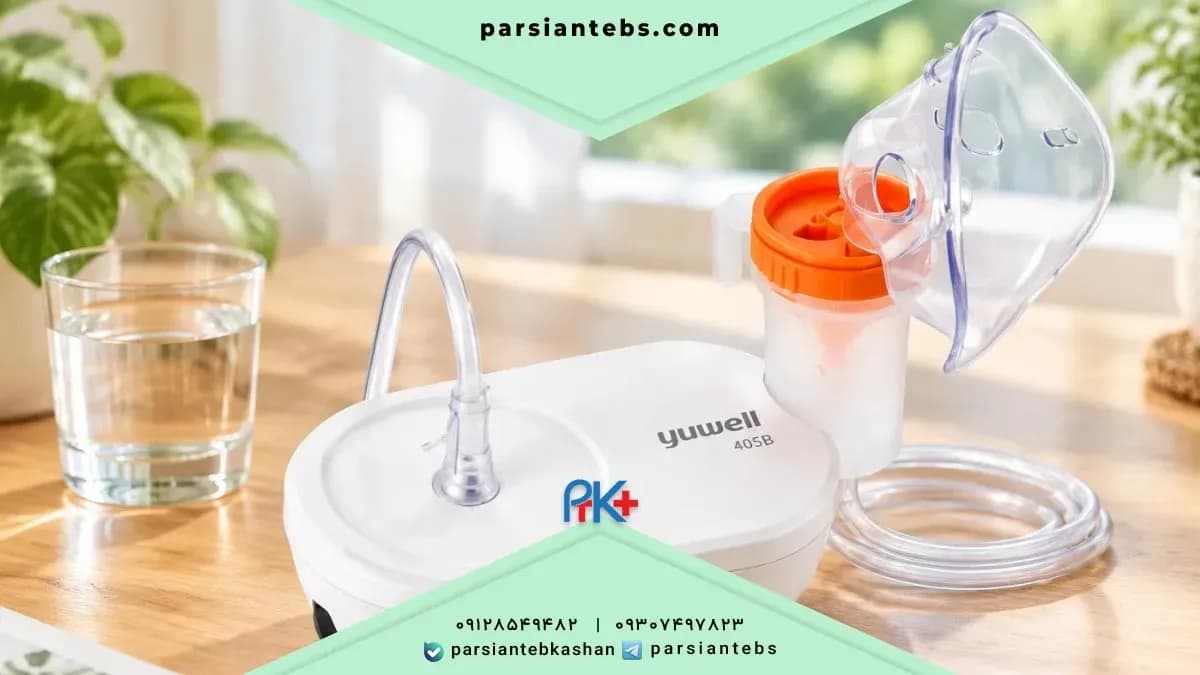
Mouthpiece or Mask?
In a person who can cooperate, a mouthpiece usually gives better control over delivering the medicine through the mouth. A mask is used for young children or people who cannot hold a mouthpiece, but it must be the right size and fit well. After some inhaled medicines, washing the face and mouth as the physician instructs can reduce skin or mouth irritation.
Washing and Disinfection
After each use, take apart and wash the cup and the mouthpiece or mask according to the manufacturer's instructions.
Let the parts air-dry completely on a clean surface; leftover moisture makes it easier for germs to grow.
The compressor tube is usually not washed unless the manual explicitly allows it; if water has entered it or it is contaminated, it needs replacing.
Daily or periodic disinfection differs between models; the wrong temperature or solution can damage mesh and plastic parts.
Check and replace the filter as instructed, and do not share chambers between people.
Common Mistakes
Using water, essential oils or non-prescribed medicine
Lying down during treatment and tilting the cup
A loose mask, talking, or a child crying continuously
Blocking the mask's vent holes
Not washing the parts, or packing them away before they are dry
Using a dirty filter, a kinked tube or a weak battery
Mixing medicines without approval from a physician or pharmacist
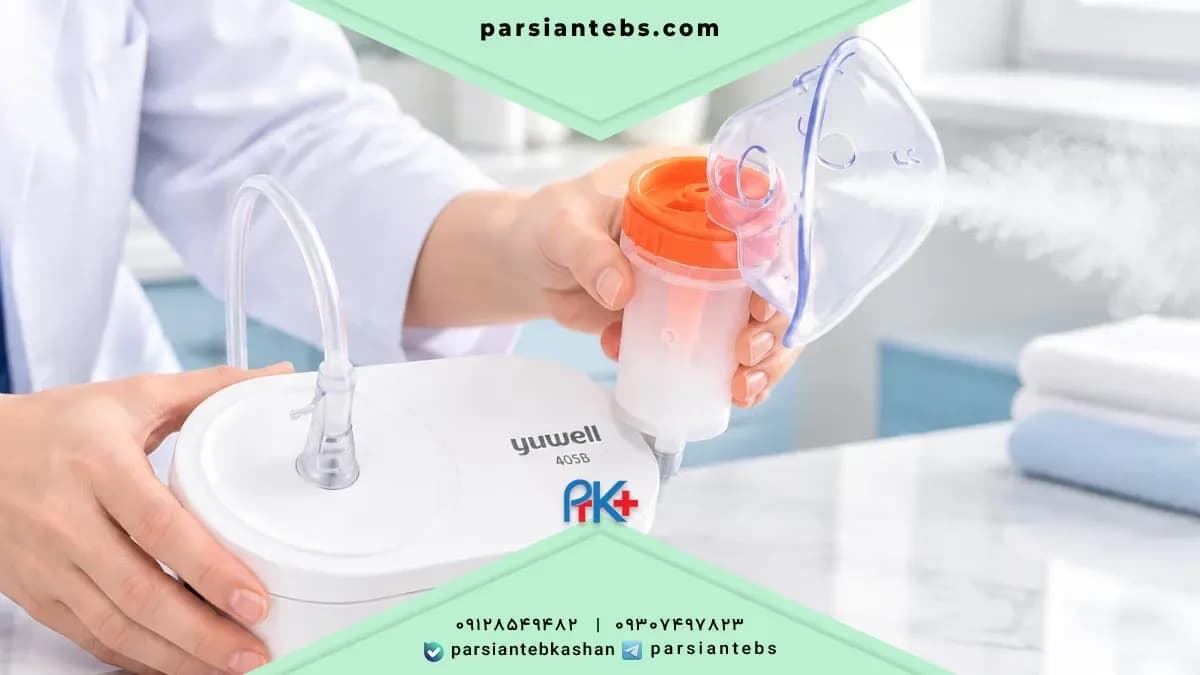
Guide to Choosing a Nebulizer
Compatibility with the prescribed medicine
Stated particle size and nebulization rate
Session length and residual medicine volume
Noise, weight and battery operation
Availability of spare cups, masks, filters and tubes
How easy the parts are to take apart and wash
Service and warranty
When Should You Call a Doctor or Emergency Services?
If the rescue medicine does not work as planned, breathing gets harder, the patient cannot speak a full sentence, the lips or face turn blue, drowsiness or confusion appears, or chest pain develops, do not wait to finish several nebulizer sessions; follow the action plan for the illness and call emergency services.
Frequently Asked Questions
Is a nebulizer helpful for an ordinary cough?
A nebulizer is a way to deliver a specific medicine and is not needed for every cough. The cause of the cough and the right medicine need to be assessed.
Can saline be used?
Only a sterile solution, and only if a physician recommends it; tap water or a homemade solution is not suitable for the airways.
Why is the device not producing mist?
An incorrect connection, a tilted cup, a blocked filter, a kinked tube, too little medicine or a clogged mesh plate are possible causes. Check the manual and the consumable parts.
Summary
A nebulizer's effectiveness depends on the right medicine, proper breathing and careful cleaning. Before buying, identify the type of medicine and the user's needs, and after each session clean and dry the parts according to the manual. This device is not a substitute for urgent assessment of severe breathing symptoms.
Sources and Review Date
This article was reviewed using the sources below. Last content review: 23 Mordad 1405.