
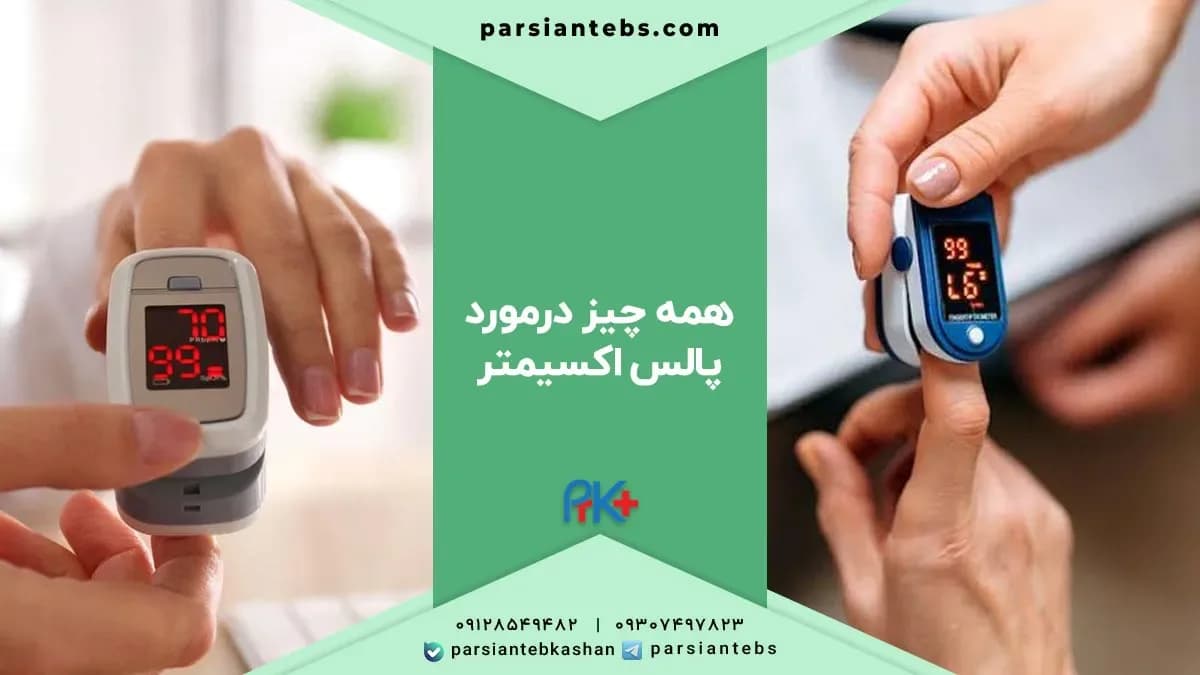
What Is a Pulse Oximeter? How to Use It, Reading the Number, and Limitations
A pulse oximeter is a small device, usually placed on a finger, that uses light to estimate peripheral blood oxygen saturation (SpO2) and heart rate. The result is fast and needs no blood draw, but it is not a direct blood gas test and must be interpreted together with symptoms, the trend of readings and the patient's medical history.
The U.S. Food and Drug Administration warns that pulse oximeters have limitations and can be inaccurate. If a patient's symptoms are serious or getting worse, a reading that looks acceptable should not delay seeking care.
How Does the Device Measure?
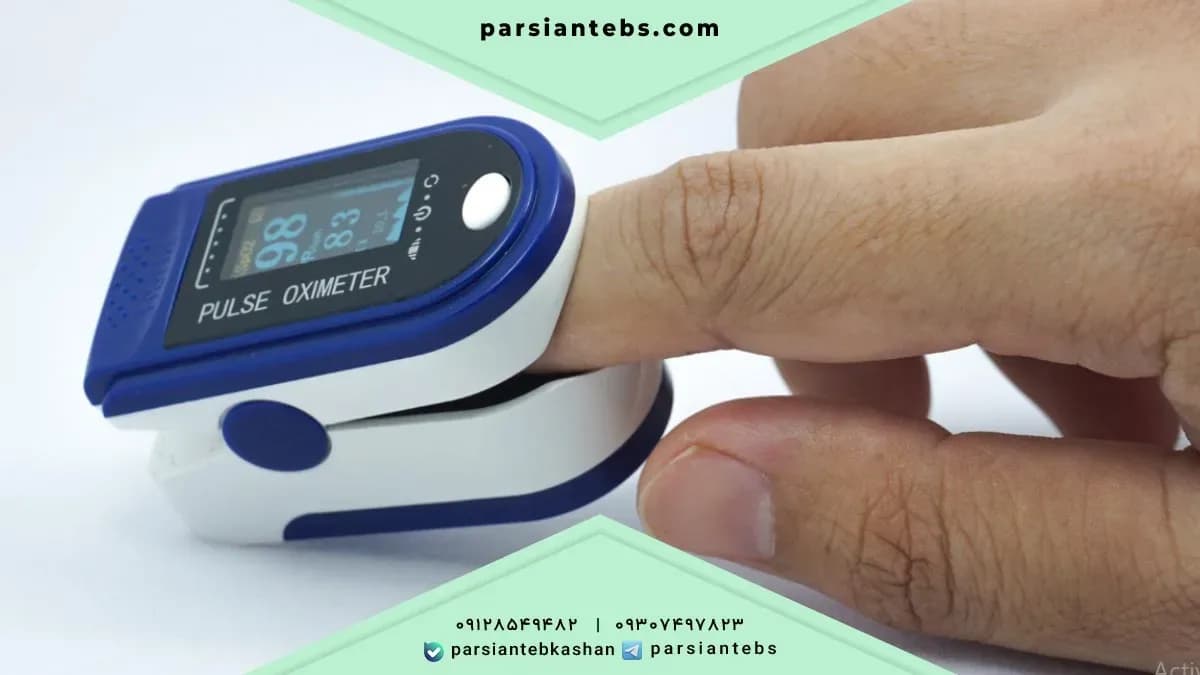
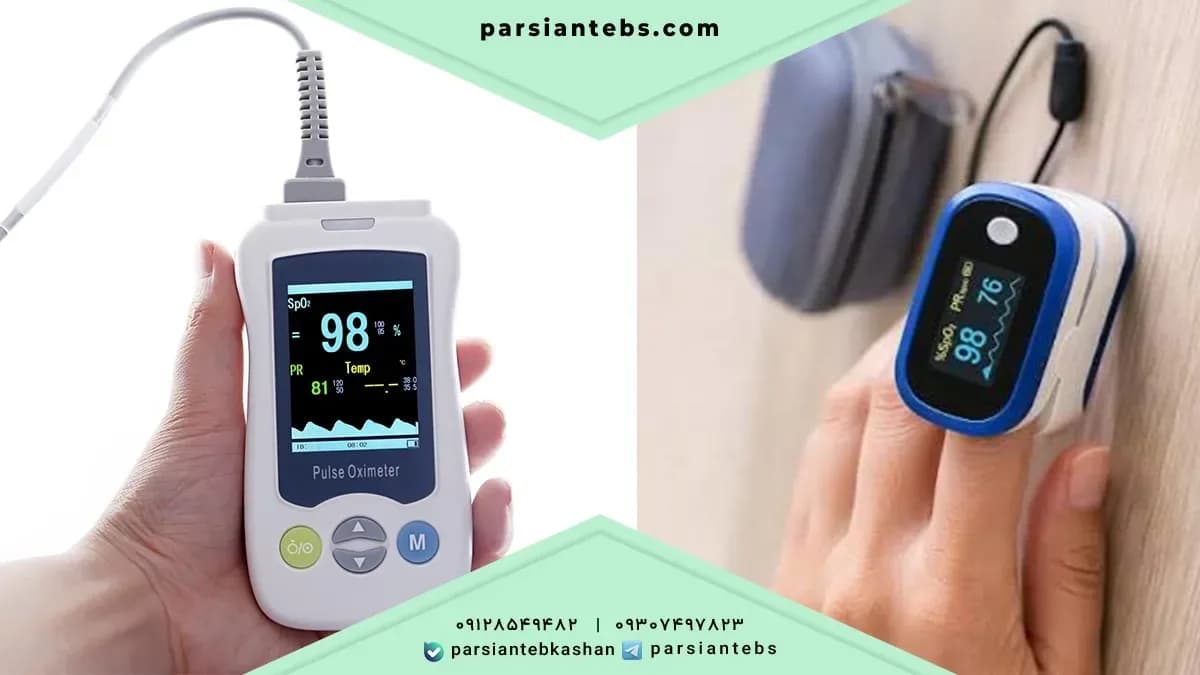
Two wavelengths of light pass through the tissue, and the sensor analyzes the difference in how oxygenated and deoxygenated hemoglobin absorb them. The display usually shows the SpO2 percentage, the pulse rate per minute and sometimes a waveform or a pulse strength indicator. The value is an estimate, and a change of a few points can be caused by measurement conditions.
How to Use It Correctly
Sit quietly for a few minutes and keep your hand warm and still.
Remove dark nail polish, artificial nails or dirt on the nail where possible.
Insert the finger all the way into the clip and close the sensor as marked on the device.
Keep the hand level and steady, and do not record a reading while shaking, walking or talking.
Wait until the reading and pulse are stable; do not rely on the first value shown.
Record the reading, time, symptoms, activity and any prescribed oxygen so the trend can be compared.
SpO2: What Is Normal?
For many healthy people at sea level, readings are often in the mid to upper 90 percent range; however, chronic lung disease, altitude, sleep and the treatment plan can change the target range. The threshold for action should be set by a physician for each patient. Comparing the trend with the person's usual state is more useful than judging by a single general number.
What Can Make the Reading Wrong?
Poor circulation, cold hands or very low blood pressure
Movement, shaking or a displaced sensor
Nail polish, artificial nails or poor placement
Strong ambient light on some sensors
Current smoking and some hemoglobin conditions
Skin thickness and pigmentation; errors may be larger or different on darker skin
General-purpose or sports devices that have not been evaluated for medical decisions
Why Does the Reading Not Match How the Patient Feels?
A pulse oximeter does not show ventilation, carbon dioxide level, the cause of shortness of breath or the work of breathing. A patient may still have a serious problem with an SpO2 close to target. Conversely, cold hands or movement can produce a falsely low reading. Reposition the sensor, try another finger and put the patient's condition first.
Choosing a Device
Intended use: medical monitoring should follow a physician's advice, not just sports features
Display readability and stable pulse display
Clip fit for a child's or an adult's finger
Manufacturer information on accuracy and operating range
Availability of batteries and service
An initial comparison with a healthcare facility's device if used clinically
When Is Medical Help Needed?
Get a written plan from your physician for your personal range. Severe or worsening shortness of breath, bluish lips or face, chest pain or pressure, confusion, unusual drowsiness or inability to stay awake require urgent assessment, even if the display does not show a worrying number. Do not change prescribed oxygen on your own.
Maintenance
Clean and dry the sensor surface according to the manual, do not leave the device in high humidity or heat, and protect it from falls. A weak battery or a dirty light window can impair performance. Do not immerse a home device in liquid to disinfect it.
Frequently Asked Questions
Is a reading of 95 always good?
It is expected for many people, but a number cannot be fully interpreted without the person's symptoms and target range. The trend and signal quality also matter.
Does a pulse oximeter diagnose disease?
No. It only estimates saturation and pulse and does not identify the cause of a change.
Can an adult model be used for a child?
Sensor fit is critical. A small finger needs a model or sensor suited to the child's age and weight, and the method should be checked with a specialist.
Summary
A pulse oximeter is useful for following the oxygen trend, not as a substitute for an examination. A warm, steady hand, a suitable sensor and waiting for a stable reading reduce errors. Always put the patient's symptoms and the physician's plan ahead of the display. You can buy a high-quality pulse oximeter at the best price through the Parsian Teb Kashan online medical equipment store today.
Sources and Review Date
This article was reviewed using the sources below. Last content review: 23 Mordad 1405.