
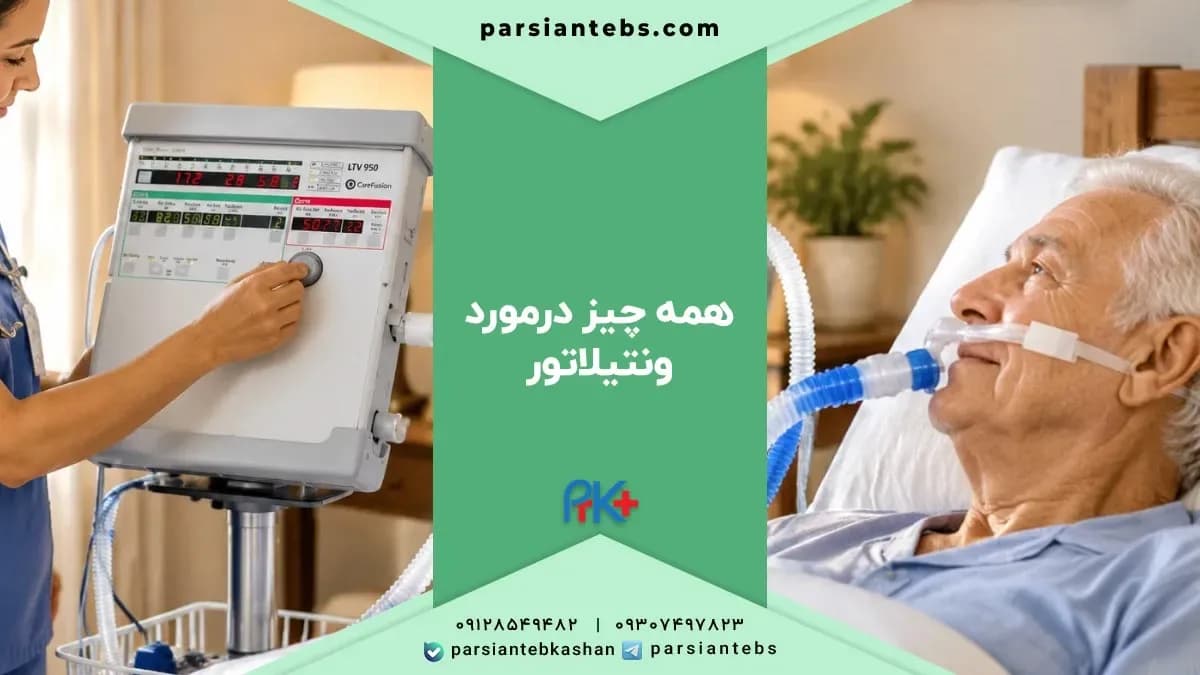
What Is a Ventilator? Uses, Types and Patient Care
A ventilator , or mechanical ventilation device, helps move air into and out of the lungs when the patient's own breathing is not enough to deliver oxygen or remove carbon dioxide. The device does not treat the cause of the illness; it buys time for the main treatment to work and for the body to recover. The physician and respiratory therapist set the breathing rate, volume or pressure, oxygen and alarms based on each patient's condition.
There is no one-size-fits-all ventilator setting. Silencing alarms, changing oxygen or pressure, or disconnecting the circuit without training can be life-threatening.
How Does a Ventilator Help Breathing?
The device delivers a mixture of air and oxygen to the airway in a controlled pattern and allows exhalation. Sensors monitor pressure, flow and volume and raise an alarm if a leak, blockage, circuit disconnection or change in breathing occurs. Some modes control most of the breathing, while others synchronize with the patient's own effort.
When Is a Ventilator Used?
Acute respiratory failure caused by severe infection, lung injury or critical illness
During general anesthesia and some surgeries
Weakness of the breathing muscles in some neuromuscular diseases
Brain injury or reduced consciousness that makes protecting the airway difficult
Long-term support for a limited group of patients after specialist assessment
Types of Mechanical Ventilation
Invasive ventilation
Air enters through a tube in the windpipe or a tracheostomy. This method gives more control over the airway and breathing and is usually used in severe conditions or in the operating room. The patient needs careful care of the airway, secretions and humidity, and infection prevention.
Non-invasive ventilation
Air is delivered through a tight-fitting nasal or face mask. CPAP and BiPAP are examples of positive pressure support, but choosing between them depends on the type of respiratory failure, level of consciousness and ability to protect the airway, and they are not suitable for every situation.
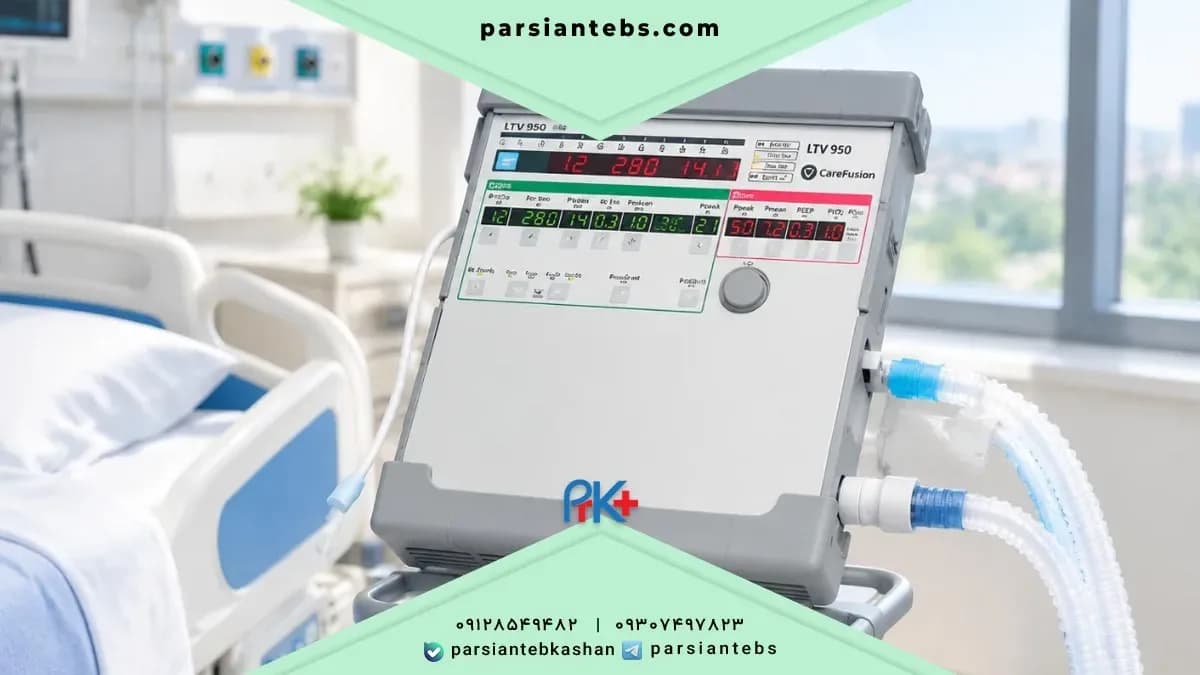
Portable and home ventilators
Some devices are designed for transport or long-term home use. Home use is only safe with a prescription, full caregiver training, a power and backup battery plan, backup equipment, an emergency contact number and follow-up by a specialist team.
Main Components and the Circuit
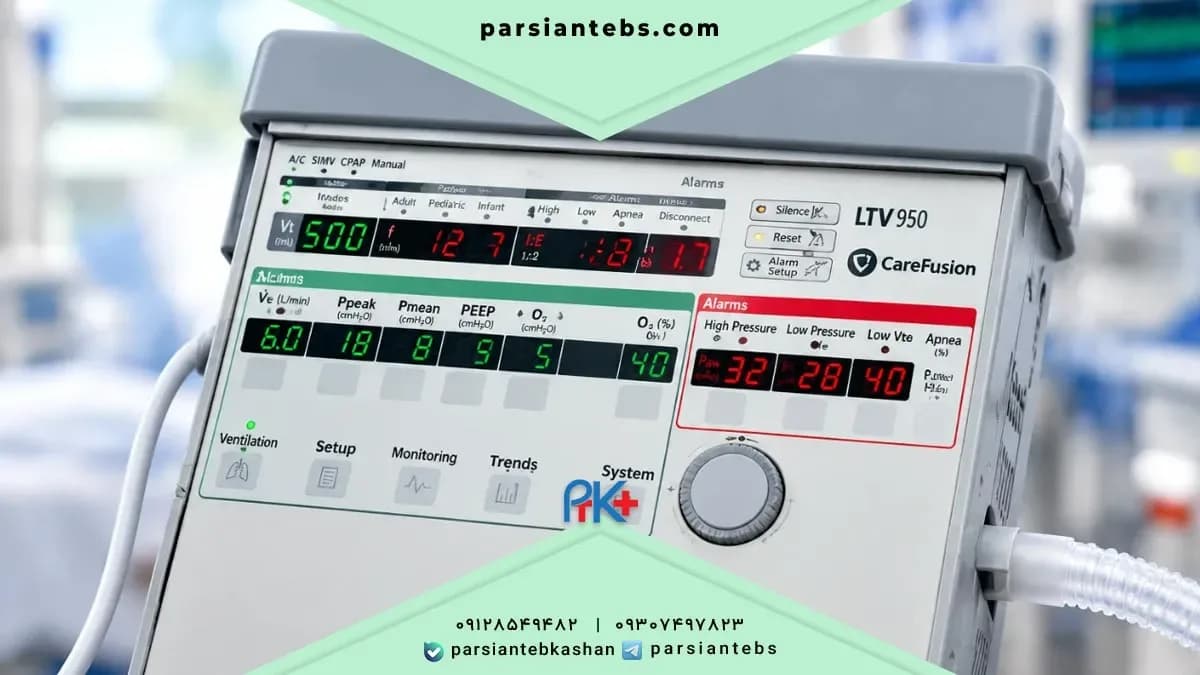
Main unit and settings screen
Inspiratory and expiratory circuit and filters
Humidifier or heat and moisture exchanger, according to the treatment plan
Patient interface: mask, endotracheal tube or tracheostomy
Oxygen source and mains power or battery
Alarm system and breathing monitoring
What Do Ventilator Alarms Mean?
A high-pressure alarm can be related to secretions, coughing, biting the tube, a kinked circuit or reduced lung compliance. Low pressure or volume may come from a leak or a disconnected circuit. Power and battery alarms also require immediate action according to the plan you were trained on. Look at the patient first, then check the circuit and supply using the checklist; do not just silence the alarm.
Possible Risks and Complications
Pneumonia and other infections, especially with an endotracheal tube
Lung injury from inappropriate pressure, volume or oxygen
Collapse of part of the lung or fluid buildup
Vocal cord injury and airway discomfort
Breathing muscle weakness with long-term use
Facial skin damage from masks and pressure sores during long hospital stays
Pneumothorax, which can be an emergency
Coming off the ventilator (weaning)
When the underlying cause improves and breathing, consciousness and circulation allow it, the care team reduces the device's support step by step and assesses the ability to breathe independently. The pace of this process differs between patients, and a longer process does not necessarily mean treatment has failed.
How Families Can Care for the Patient
Washing hands and limiting handling of the circuit
Reporting fever, increased secretions, or a change in the color or smell of secretions
Mouth and skin care according to the nursing plan
Preventing the tube and circuit from being pulled when moving the patient
Knowing the alarms and the care team's contact number
At home, practicing power-outage and device-failure scenarios before discharge
Frequently Asked Questions
Is a patient on a ventilator always unconscious?
No. The level of sedation depends on the condition and the type of airway; some patients are awake and able to communicate.
Is a ventilator the same as an oxygen concentrator?
No. An oxygen concentrator is a source of enriched oxygen, while a ventilator supports the breathing pattern and the pressure or volume of air. Sometimes these devices are used together.
Can a home ventilator be used without a trained caregiver?
No. A home assessment, training, a backup plan and immediate access to specialist support are an essential part of treatment.
Summary
A ventilator is a life-support device for breathing, and its effectiveness depends on individual settings, airway care, the right response to alarms and treatment of the underlying disease. When buying or renting a device, the prescription and the specialist team's specifications should be the basis, not just the model name or maximum pressure. You can buy or rent a ventilator through the Parsian Teb Kashan medical equipment store today.
Sources and Review Date
This article was reviewed using the sources below. Last content review: 23 Mordad 1405.