

What Is an Oxygen Cylinder? Components, How to Use It and Safety Tips
A medical oxygen cylinder is a sturdy, high-pressure tank that stores oxygen for therapeutic use. It may be used in hospitals, ambulances or at home as a primary, portable or backup oxygen source; however, the need for oxygen, the flow rate and the duration of use must be determined after a doctor's assessment. Shortness of breath alone is not sufficient reason to start or increase oxygen on your own.
Oxygen is considered a medicine. Do not change the prescribed flow rate, and if the patient's condition worsens, contact a doctor or emergency services instead of increasing the flow on your own.
How does an oxygen cylinder work?
Oxygen is stored under high pressure inside the cylinder. Once the valve is opened, the regulator converts the tank's high pressure to a usable pressure, and the flowmeter shows the flow rate in liters per minute. The oxygen then reaches the nasal cannula or mask through tubing. The type of interface and the appropriate flow rate are determined by the care team based on the patient's condition.
Components of an oxygen cylinder
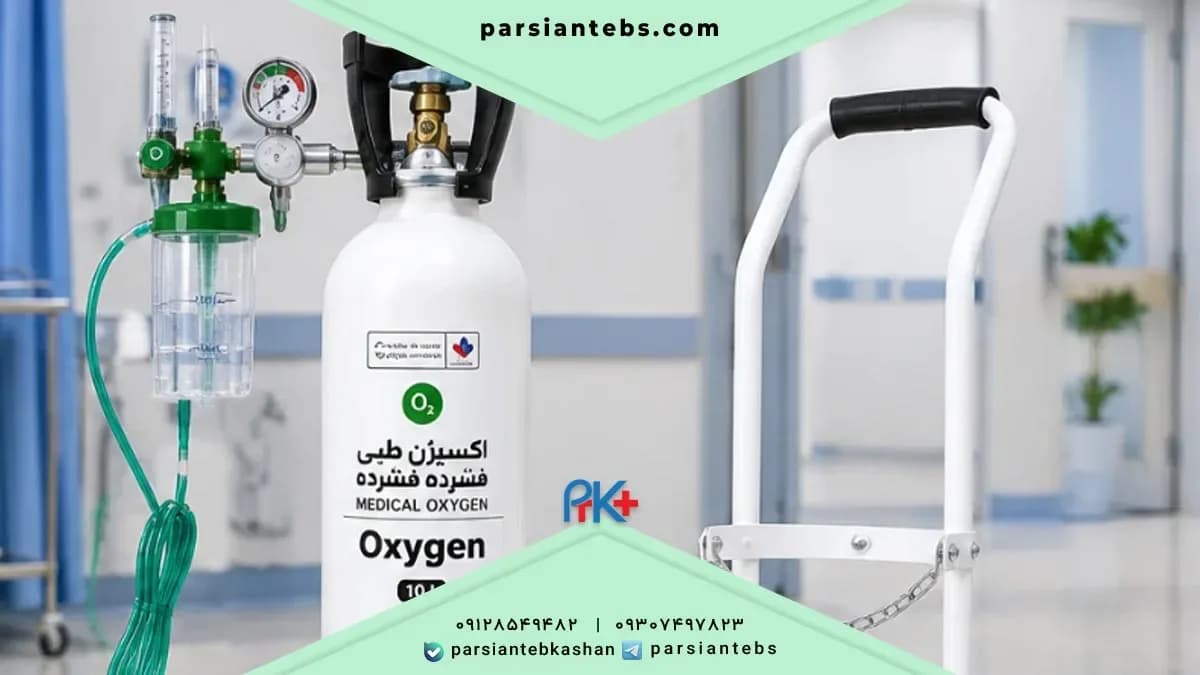
Cylinder body and main valve: keeps the tank sealed and must be protected from impact, falls and heat.
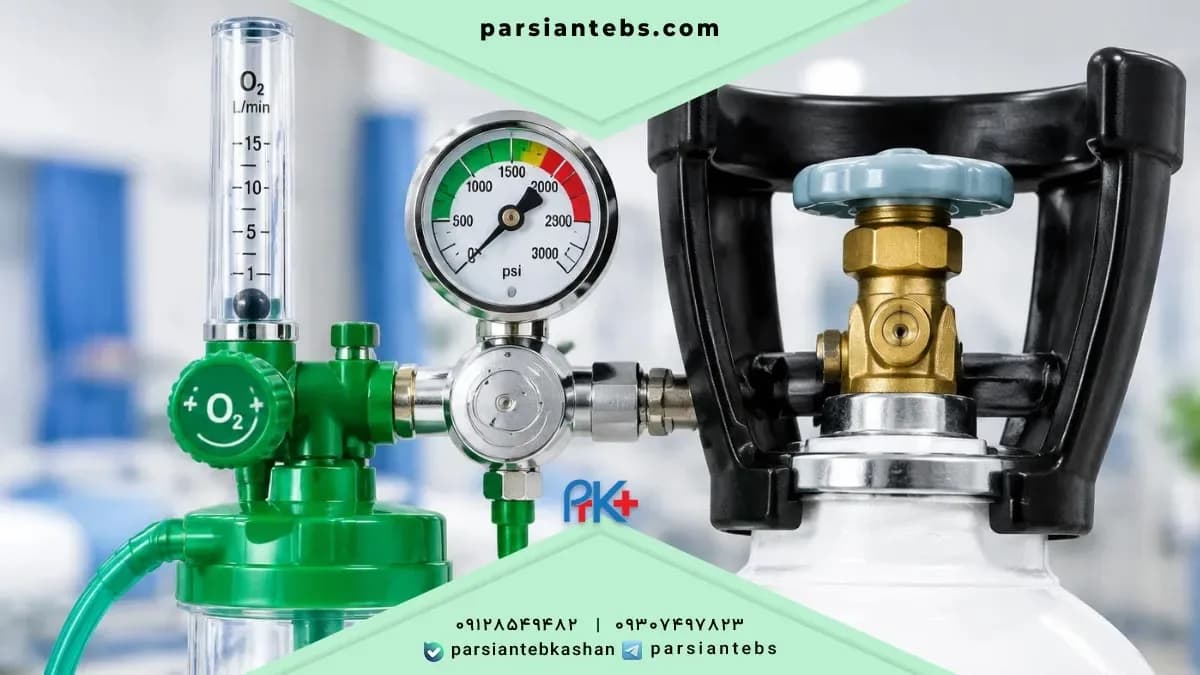
Regulator or pressure gauge: reduces the pressure from the cylinder and shows the approximate amount of oxygen remaining.
Flowmeter: sets the output flow in liters per minute.
Humidifier: used only when recommended and according to the manufacturer's instructions; contaminated water and containers can be a source of germs.
Cannula, mask and tubing: deliver oxygen to the patient and must be clean, intact and free of kinks.
Trolley or stand: holds the cylinder securely in a stable position and reduces the risk of tipping over.
Who uses an oxygen cylinder?
Oxygen therapy is considered when a medical assessment shows low blood oxygen or when a doctor prescribes it for a specific situation. Chronic lung diseases, some heart conditions, the period after hospitalization, or patient transport are possible situations. Each person's prescription may differ for rest, activity or sleep; therefore, one patient's prescription must never be used for another person.
General preparation and use
Clean your hands and place the cylinder upright in a secure stand.
Make sure the valve, regulator, washer and connections are in good condition; never force an incompatible connection into place.
Open the valve slowly as instructed by the supplier and check the pressure gauge needle.
Set the flowmeter exactly to the prescribed number and make sure the tubing is unobstructed.
Position the cannula or mask on the face as instructed and monitor the patient's breathing, skin color and general condition.
When finished, close the main valve and put the equipment away according to the device instructions.
These steps do not replace in-person training. Valve and regulator models can differ; the first setup is best done by a trained person.
How do you check how much oxygen is left?
The pressure gauge shows the pressure inside the cylinder, but the exact duration of use depends on the cylinder volume, the actual pressure and the flow rate. Before leaving home or transporting a patient, do not rely on the cylinder's appearance alone. Check the gauge reading, plan for a backup supply, and ask the seller to show you how to roughly calculate the running time for that particular model.
The most important safety tips
Keep cigarettes, vapes, flames, stoves, heaters and sparks away from where oxygen is used and stored; oxygen itself does not burn, but it makes materials burn much faster.
Store the cylinder upright and secured, in a ventilated space away from sunlight, extreme heat and walkways.
Do not use oil, grease or petroleum jelly on the valve and connections, and for dry skin use only a water-based product approved by the care team.
Do not drag or roll the cylinder, and do not lift it by its valve. In a vehicle, it must also be fully secured and ventilation maintained.
Do not run the tubing under carpets, near flames or where it can bend and become blocked, and keep the tripping hazard in mind.
When not in use, turn off the source as instructed and keep the equipment out of the reach of children.
Oxygen cylinder or oxygen concentrator?
A cylinder works without electricity, can be moved quickly and is useful as a backup supply; however, it has limited capacity and needs refilling or replacement. An oxygen concentrator produces oxygen-enriched air from room air and is more suitable for longer-term use, but it requires electricity, ventilation, servicing and a backup plan for power outages. The choice between the two should be based on the prescription, duration of use, portability needs and home conditions.
What should you consider when buying?
Cylinder volume and weight suited to where it will be used
Compatibility of the valve, regulator and flowmeter
A readable gauge and availability of parts
The test date and the condition of the body and valve
A secure stand or trolley
Refilling services and safety training
When is urgent help needed?
If the patient develops severe or worsening shortness of breath, bluish lips and face, confusion, unusual drowsiness, chest pain or a decreased level of consciousness, do not rely solely on the device reading or on increasing the flow, and call emergency services immediately. In the event of a leak, fire or valve damage, also move people away from danger and do not tamper with the damaged equipment.
Frequently asked questions
Can the oxygen flow rate be increased?
Only on a doctor's orders. Excessive flow is dangerous for some patients, and lower flow may make the treatment inadequate.
Can the cylinder be stored lying down?
The safe principle is to store it upright and secured according to the manufacturer's and supplier's instructions, so that the cylinder does not fall and no stress is placed on the valve.
Do all patients need a humidifier?
No. Using a humidifier depends on the prescription, flow rate and the person's condition, and it should be done with the recommended water and maintenance method.
Conclusion
An oxygen cylinder is an effective device, but it is under high pressure and requires strict safety discipline. A clear prescription, a compatible regulator, proper securing, keeping it away from flames and checking the oxygen supply before use are the most important principles. To choose the size and accessories, discuss the patient's actual condition and environment with a doctor and a medical equipment specialist.
Reliable sources and review date
This article was reviewed using the sources below. Last content review: 23 Mordad 1405.