
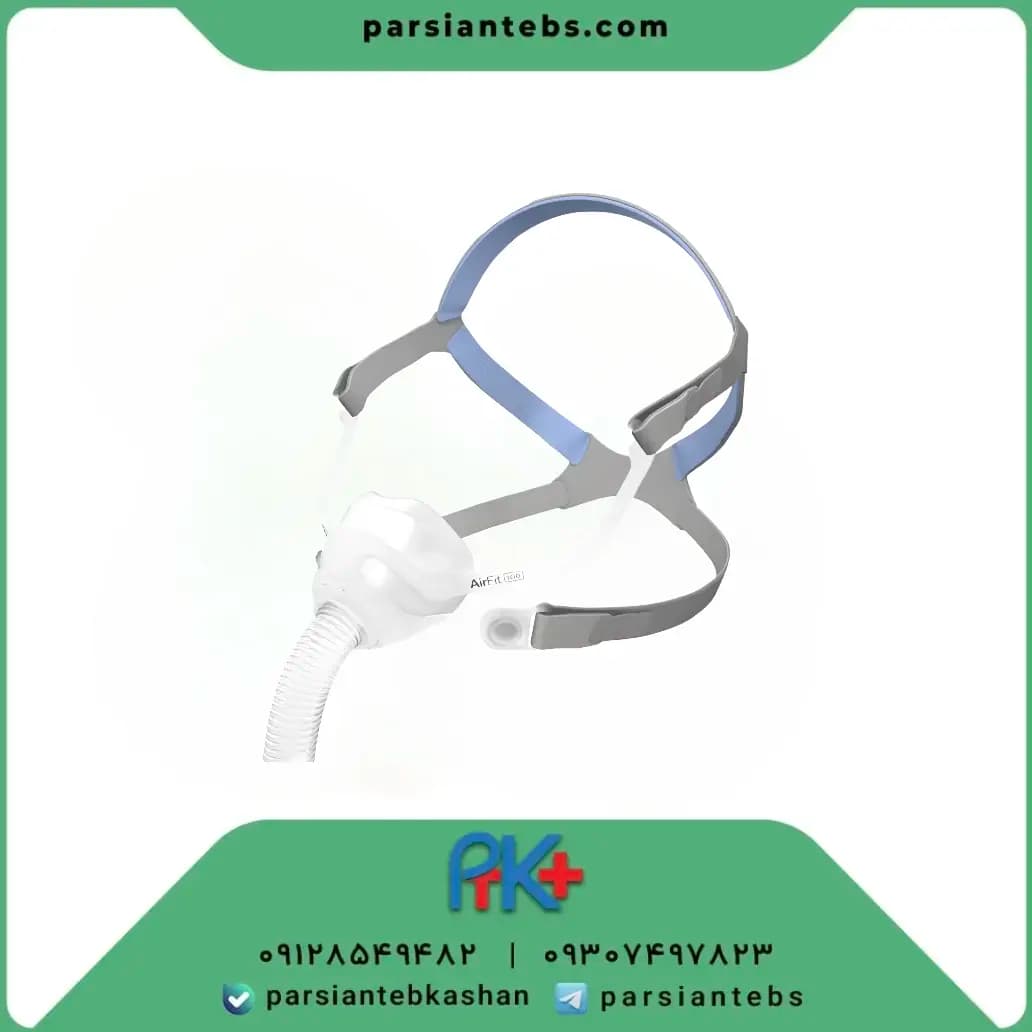
ResMed airfit 10 Nasal Mask
Need assistance?
Product description
What is the ResMed AirFit 10 nasal mask?
If you use respiratory support devices such as CPAP or BiPAP, choosing the right mask can greatly affect the quality of your therapy with the device. The ResMed AirFit 10 Nasal Mask is one of ResMed's nasal masks, designed to deliver therapeutic airflow from the device to the airways through the nose.
Because they cover less of the face than full-face masks, nasal masks are a comfortable and practical option for many users who mainly breathe through their nose. A good design, light weight and an effective seal are among the factors to consider when choosing a breathing mask.
ResMed AirFit 10 Nasal Mask can be a good choice for people undergoing treatment with CPAP or BiPAP devices; however, the mask should be chosen based on the device type, the person's respiratory condition and the advice of a doctor or respiratory equipment specialist.
If you are looking for a nasal mask from the reputable ResMed brand, read on to learn about this product's features, applications and key buying tips.
Main features and benefits of the ResMed AirFit 10 nasal mask
Nasal design with proper nose coverage
The nasal mask is designed to sit over the nose.
Because it covers less of the face than full-face masks, it allows more freedom of movement and everyday use.
Good seal
The seal is one of the most important features of a CPAP or BiPAP mask.
A proper mask fit can help reduce air leaks and better maintain therapeutic pressure.
Designed for use during sleep
The mask's structure is designed for use during rest and sleep.
With the right size and correctly adjusted straps, it can provide good comfort throughout the night.
Adjustable headgear
The mask straps can be adjusted to the user's face.
Proper headgear adjustment keeps the mask from being too tight or too loose.
Suitable for respiratory support devices
ResMed nasal masks are designed for use in respiratory therapy systems.
Depending on the exact mask and device model, it can be used with CPAP or BiPAP systems.
Lightweight, practical design
A nasal mask covers less of the face than many full-face masks.
This is an advantage for users who prefer less facial coverage.
Who is the ResMed AirFit 10 nasal mask suitable for?
A nasal mask is usually suitable for users who breathe through their nose while using a respiratory support device.
This mask can be used in the following situations:
Therapy with a CPAP device
Therapy with a BiPAP device, if compatible
Nightly use of respiratory support equipment
Patients with respiratory problems who use PAP therapy under a doctor's supervision
Users who find a nasal mask more comfortable than a full-face mask
However, if a person usually breathes through their mouth or has severe nasal congestion, another type of mask may suit them better. In such cases, it is best to choose the mask with the advice of a doctor or respiratory equipment specialist.
How does the ResMed AirFit 10 nasal mask work?
A nasal mask works very simply. The mask connects to the CPAP or BiPAP device circuit through a connector and delivers the air produced by the device to the nose area.
For the therapy to be delivered properly, the mask must sit on the face and create as good a seal as possible.
If the mask is too loose, air leaks become more likely. On the other hand, overtightening the straps may put pressure on the skin.
That is why correctly adjusting the ResMed AirFit 10 nasal mask is very important.
Why does the mask seal matter?
One of the most common problems CPAP and BiPAP users face is air leaking around the mask.
Of course, in some respiratory systems a certain amount of airflow is vented in a controlled way, but excessive leakage around the mask can reduce user comfort and interfere with optimal therapy.
Choosing the right size, positioning the mask correctly on the nose and adjusting the headgear properly are key to a good seal.
So when buying the ResMed AirFit 10 Nasal Mask do not focus only on the brand; the size and shape of the user's face also matter a great deal.
Why choose the ResMed AirFit 10 nasal mask?
The ResMed brand is one of the well-known names in respiratory therapy equipment, and its products are widely used in PAP therapy and in sleep and breathing-related equipment.
One advantage of a nasal mask compared with larger masks is that it covers less of the face. This can matter for people who feel restricted or find the mask heavy during sleep.
Main advantages of the ResMed AirFit 10 nasal mask:
Nasal design with less facial coverage
Adjustable fit on the face
A good seal when the correct size is chosen
Suitable for use in CPAP therapy
Practical design for nightly use
Made by the well-known ResMed brand
Nasal mask vs. full-face mask
A common question from users is: which is better, a nasal mask or a full-face mask?
The answer depends on each person's situation.
A nasal mask usually covers only the nose area and can be more comfortable for someone who mainly breathes through the nose. A full-face mask, on the other hand, covers the nose and mouth and is a better option for some people who breathe through their mouth or have different therapeutic needs.
So no single model can be called the best choice for everyone. The ResMed AirFit 10 Nasal Mask will be a good choice when it is compatible with the person's respiratory condition and the device being used.
Technical specifications of the ResMed AirFit 10 nasal mask
Specification | Description |
|---|---|
Product name | ResMed AirFit 10 Nasal Mask |
Brand | ResMed |
Mask type | Nasal |
Application | Delivering therapeutic air from the device to the nose |
Suitable for | Compatible CPAP systems and certain BiPAP systems |
Placement | Over the nose |
Headgear type | Adjustable |
Design | Nasal |
Main application | Respiratory support therapy |
Place of use | Home, clinics and medical centers |
Connection type | Matched to a compatible circuit and system |
Note: Exact specifications, sizing and device compatibility should be checked against the exact product model and version. Before buying, match your device model with the mask specifications.
Guide to choosing and using the ResMed AirFit 10 nasal mask
Choose the right size
Choosing the right size is one of the most important steps in buying a mask. The mask should be neither too large nor too small.
A mask that is too large may cause air leaks, and one that is too small can put more pressure on the nose and skin.
Do not overtighten the headgear
Tightening the straps too much does not always mean a better seal. Excessive pressure may cause discomfort or pressure marks on the skin.
It is best to adjust the mask so that it sits properly on the face and provides an acceptable seal.
Clean the mask regularly
Keeping the parts that touch the skin and nose clean is very important. Washing and care should follow the manufacturer's instructions.
Check the condition of the mask
If air leakage has increased, the mask shifts out of place or you feel discomfort, first check how the mask is positioned and how the headgear is adjusted.
When does a nasal mask need replacing?
The useful life of a mask depends on how much it is used, how it is stored and the manufacturer's instructions. Over time, the soft parts of the mask, the cushion or the straps may wear out.
Signs such as:
Cracks or damage to the frame
Deformation of the soft part of the mask
Reduced seal
Increased air leakage
Worn headgear
may indicate that parts need to be checked or replaced.
To maintain proper performance, it is best to inspect the mask and its components periodically.
Frequently asked questions about the ResMed AirFit 10 nasal mask
Which device is the ResMed AirFit 10 nasal mask suitable for?
This mask is designed for use with respiratory support systems, and its exact compatibility should be checked based on the device model and the mask specifications.
What is the difference between a nasal mask and a full-face mask?
A nasal mask usually covers only the nose, whereas a full-face mask covers the nose and mouth.
Is a nasal mask suitable for nightly use?
Yes, nasal masks are used in nighttime CPAP therapy and similar systems; however, the final choice should depend on the user's condition.
Why is my nasal mask leaking air?
Choosing the wrong size, adjusting the headgear incorrectly or positioning the mask improperly on the face can increase leakage.
Can the mask be used without the device?
No. A nasal mask is an interface for delivering therapeutic air from a respiratory support device and has no therapeutic function on its own.
Buy the ResMed AirFit 10 nasal mask from Parsian Teb Kashan
If, for your CPAP device or respiratory support equipment, you are looking for the ResMed AirFit 10 Nasal Mask then it is best to check your device model and the size you need before buying.
At Parsian Teb Kashan you can get expert advice on choosing the right mask and other respiratory equipment.
To find out the price, availability, sizes and compatibility of the ResMed AirFit 10 nasal mask with your device, contact Parsian Teb Kashan and confidently get the right product.
Technical specifications
| Condition | New |
|---|---|
| Brand | ResMed |
| Parent category | Respiratory and breathing-support equipment |
| Category | Respiratory masks |
| Product code | PTK-P-0021 |
| Weight | 500 g |
| Stock availability | Available |
- Product name: ResMed airfit 10 Nasal Mask
- Sold as: Piece
- Price and stock unit: Piece
- Category: Respiratory masks
- Brand: ResMed
- Product code: PTK-P-0021
- Weight: 500 grams
- Condition: New
- Product type: Respiratory mask (NIV)
- Application: CPAP / BiPAP
- Mask type: Nasal (Nasal Mask)
- Material: Medical silicone cushion
- Standard connection: 22 millimeters
- Application: Home and clinical
- Usage type: Reusable