
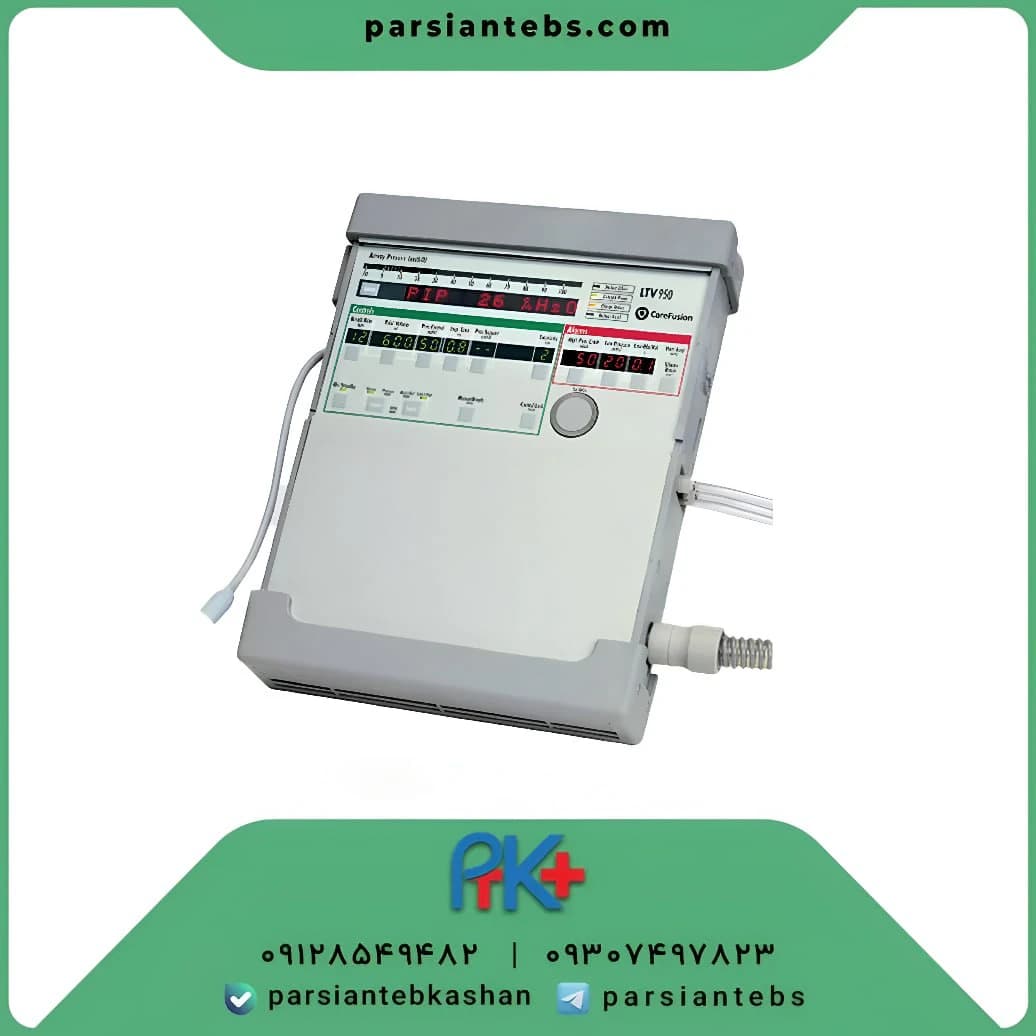
Ventilator Rental
Service and rental request
Pricing and terms are provided after we review your requirements.
Need assistance?
Product description
For patients struggling with acute respiratory disorders, brain injuries, advanced lung failure or neuromuscular diseases, continuous, uninterrupted access to a reliable mechanical ventilation device is the most vital factor in staying alive. A ventilator is specialized critical-care equipment that fully performs or supports inhalation and exhalation for patients who have lost the ability to breathe naturally and spontaneously.
Given the crushing, long-term costs of hospitalization in the ICU wards of public and private hospitals, renting a home ventilator lets you bring all the equipment and the clinical and quality standards of intensive care into the safe, calm environment of your home at a far lower cost.
What is a ventilator and how does it help a patient breathe?
A ventilator, or advanced mechanical breathing machine, manages oxygen delivery to body tissues and the removal of carbon dioxide from the lungs using a precise, defined mixture of oxygen and compressed air. Depending on the patient's clinical condition and the attending physician's orders, these devices connect to the respiratory system in two main ways:
· Invasive Ventilation: The device is connected through a tracheostomy tube (an opening in the windpipe) or a laryngeal tube. This method is used for patients who are 100 percent dependent on the device or have no spontaneous breathing at all.
· Non-Invasive Ventilation (NIV): The connection is made through special full-face masks or nasal masks, without any incision in the windpipe. This method is used for patients with weak breathing or those being discharged and weaned off the device.
Using built-in smart sensors, modern home ventilators deliver the inspired air volume, inspiratory and expiratory pressures, and breaths per minute exactly in line with the patient's breathing pattern and the physician's calibrated settings.
Which patients need a home ventilator rental?
Pulmonologists and critical care (ICU) fellows usually prescribe a home ventilator in the following clinical scenarios:
Patients discharged from the hospital ICU
Patients whose other vital signs (such as blood pressure and heart function) have stabilized but who still depend on mechanical ventilation to survive. Moving these patients home not only reduces the stress of the hospital environment but also brings the risk of hospital-acquired infections (VAP) down to zero.
Patients with neuromuscular diseases
In diseases such as ALS, SMA, muscular dystrophies and severe spinal cord injuries (such as cervical spinal cord injury), the chest and diaphragm muscles become paralyzed or severely weakened, and the patient cannot expand the lungs.
Patients with chronic, advanced lung failure (severe COPD)
In advanced stages of obstructive lung disease, lung tissue loses the ability to fully expel carbon dioxide. By providing advanced breathing modes, a ventilator reduces the workload of the respiratory muscles and restores lung ventilation.
Patients with brain injury, acute stroke or coma at home
People whose respiratory control center in the brain has been damaged and who need long-term respiratory care at home to survive.
Why is renting a home ventilator smarter than buying one?
Buying an advanced ventilator requires a heavy investment and very high costs, while the patient's period of need may range from a few weeks to a few months. Renting a ventilator from Parsian Teb offers the following benefits:
· Significant savings on medical costs: The monthly rental cost of a home ventilator is far more economical and sensible than the heavy cost of every night of hospitalization in a hospital ICU.
· Access to a variety of modern brands and models: You can choose the most suitable device (from compact portable models to advanced hospital models) based on the physician's exact prescription and orders.
· Specialized technical testing and calibration: Before delivery, all devices are tested by biomedical engineers using simulator tools (artificial lungs) to ensure their sensors are 100% sound.
· Complete disinfection and hospital-grade sterilization: All parts, tubing and device housings are sterilized and disinfected according to the strictest hygiene protocols.
· 24-hour technical support and fast replacement: If any technical problem occurs, the support team sends a replacement device to your location as quickly as possible so the patient's treatment is not interrupted.
Comparison table: ventilator vs. other breathing-support equipment
To choose the right respiratory equipment, it is important to understand how a ventilator differs from other devices:
Feature
Ventilator
BiPAP machine
Oxygen concentrator
Main function
Full mechanical ventilation and life support
Assists inhalation and eases exhalation
Purifies and supplies oxygen
Patient dependency level
Severe or complete dependency (ICU)
Spontaneous breathing with oxygen drops
Normal breathing with oxygen deficiency
Connection type
Invasive (tracheostomy) and non-invasive
Non-invasive (mask)
Nasal cannula or simple mask
Power backup
Backup battery for safety
Usually no internal battery
Depends on mains power
Essential complementary equipment for a home ventilator
To set up a standard intensive care unit at home, the following equipment is also essential in addition to the ventilator:
· Medical suction unit: For clearing secretions from the lungs and airways of patients with a tracheostomy.
· Oxygen concentrator (5 or 10 liters): To supply pure oxygen to the ventilator's inlet.
· Pulse oximeter (blood oxygen measurement): For continuous monitoring of blood oxygen saturation (SpO2).
· Active humidifier: To humidify and warm the air entering the lungs and prevent secretions from thickening.
Home ventilator rental terms and prices
The cost of renting a ventilator at home depends on factors such as the type of device (portable or hospital-grade), the rental period (monthly or weekly), the included accessories (such as an active humidifier and sterile tubing), and the level of support services.
Parsian Teb offers rental terms without administrative complications so the device can be at the patient's bedside as quickly as possible. Contact us for exact pricing and advice on choosing a device.
Ventilator rental FAQs
Is training on how to use the ventilator provided?
Yes. When the device is delivered, Parsian Teb specialists fully train family members or the nurse on switching it on and off, connecting it to the patient, managing alarms and using the battery.
Can home ventilators be carried in an ambulance?
Yes. Thanks to their light weight and internal battery, most home and portable ventilators are the best option for moving a patient between hospital and home or transporting them by ambulance.
What should we do when the device alarm goes off?
First check the tubing for kinks, disconnections or blockage by secretions. If the problem is not resolved, immediately call the company's 24-hour support line.
Technical specifications
| Service categories | Rental of pulmonary respiratory support devices |
|---|---|
| Product code | V-01 |
| Weight | 6000 g |
- Product name: Ventilator rental
- Offering type: Service arranged with a specialist
- Service category: Respiratory support equipment rental
- Product code: V-01
- Weight: 6000 grams