
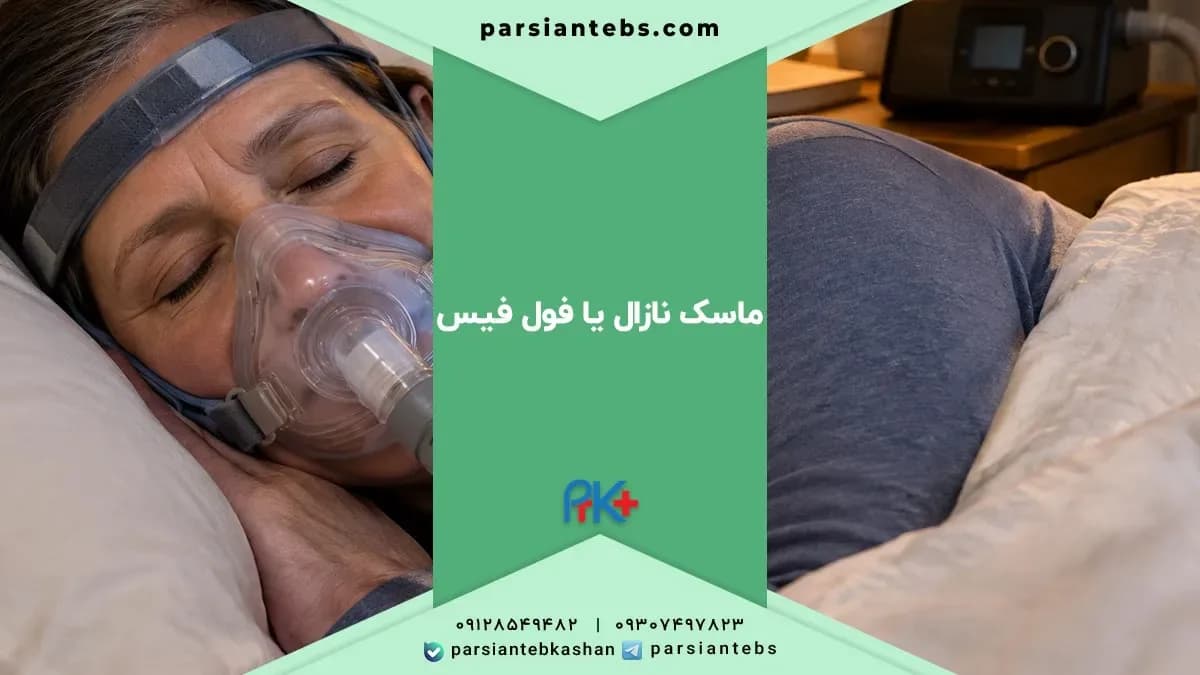
Nasal or Full Face Mask: Which Is the Better Option for You?
If you use a CPAP or BiPAP machine to treat sleep apnea, your choice of mask can have a big impact on sleep comfort and regular use of the device. Among the various models, nasal and full face masks are usually the two options that get the most attention. But which breathing mask is the more suitable choice does not depend only on the mask's size or appearance.
A nasal mask sits over the nose and can be a good option for people who breathe mainly through the nose. A full face mask covers the nose and mouth at the same time and is more useful for people who breathe through the mouth during sleep or have persistent difficulty breathing through the nose.
So, to answer the question “is a nasal or a full face mask better?” you need to consider the conditions of use, breathing pattern, nasal condition, likelihood of air leaks and comfort of each model together. Join us in the rest of this article from the Parsian Teb online medical equipment store to learn more.
What is the difference between nasal and full face masks?
The main difference between nasal and full face masks relates to the area of the face the mask covers. A nasal mask covers only the nose, while a full face mask covers the nose and mouth at the same time.
This visible difference matters a great deal in practice, because the device's pressurized air must reach the airway through the mask, and the type of mask must match the way the person breathes.
Nasal masks | Full face masks | Criterion |
Nose | Nose and mouth | Area covered |
Usually more compact | Usually larger | Size and bulk |
Suitable | Suitable | Nasal breathing |
May cause air leaks | More suitable | Mouth breathing |
May make use difficult | Also allows breathing through the mouth | Nasal congestion |
Less | More | Contact with the face |
Yes | Yes | Use with CPAP |
Depends on treatment conditions | Depends on treatment conditions | Use with BiPAP |
Who is a nasal mask more suitable for?
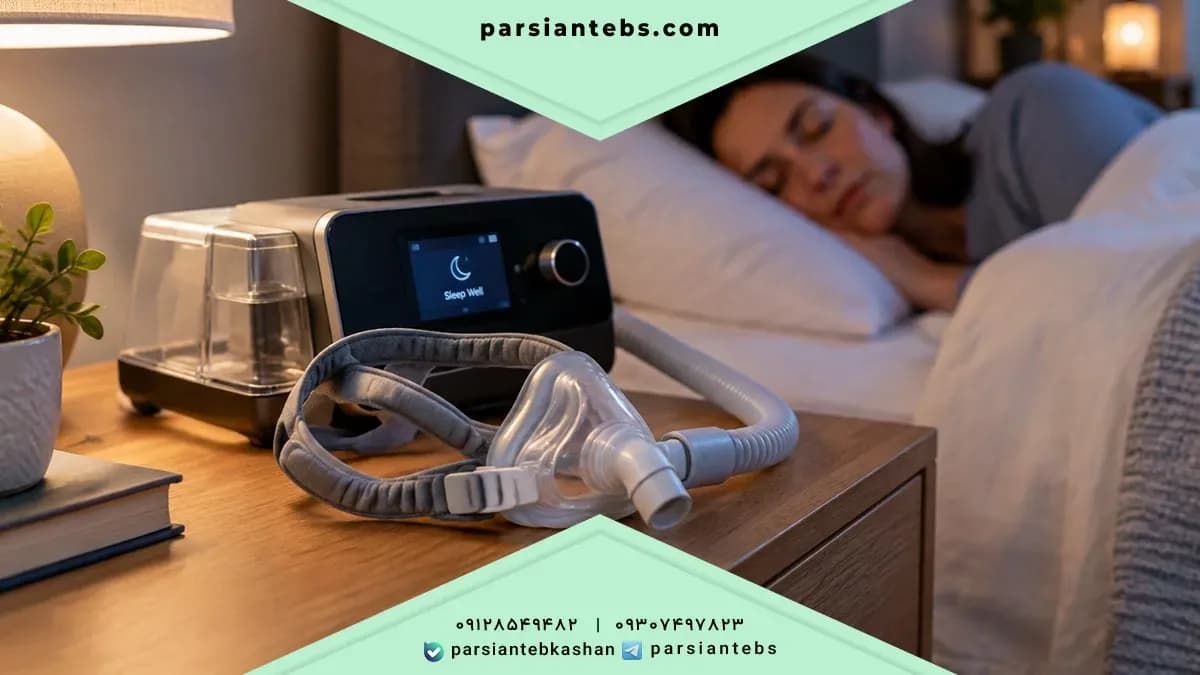
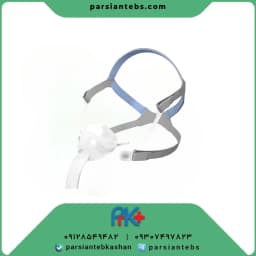
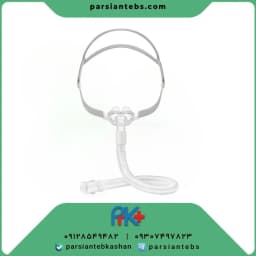
This mask covers less of the face than a full face mask, so many users find it lighter and less bulky. If a person breathes through the nose without any particular problem, does not have severe nasal congestion and does not keep their mouth open during sleep, a nasal mask can be a good choice.
The smaller facial coverage of this model can also be an advantage for people who feel confined by large masks. Of course, real comfort depends on the mask's design, the size chosen and the shape of the face.
When is a full face mask the better choice?
A full face mask can be a good option for people who breathe through the mouth during sleep, have nasal congestion or experience persistent air leaks with a nasal mask. For example, a person may breathe well through the nose while awake but open their mouth during sleep because of nasal congestion or breathing habits. In such cases, using a nasal mask can lead to air escaping through the mouth.
Nasal congestion: an important factor in choosing a mask
Nasal congestion can make a nasal mask harder to use. When the nasal passages are not open enough, the person may not be able to breathe easily through the nose during sleep and may switch to mouth breathing.
In this situation, a full face mask may be worth considering, because the mouth is also covered by the mask. However, a full face mask does not treat the cause of nasal congestion. If a person has persistent nasal congestion, its cause should also be investigated. In some people, resolving the nasal problem can make a nasal mask more comfortable to use.
That is why, when choosing the right sleep apnea mask , you should not consider only the type of mask; nasal condition and breathing pattern also matter a great deal.
Nasal or full face mask: which is better for CPAP?
To answer in practical terms: Nasal masks can be a good choice for someone who breathes mostly through the nose and does not have significant congestion or leaks.
In contrast, for someone who regularly breathes through the mouth during sleep or cannot breathe comfortably through the nose because of nasal problems, the answer is different: Full face masks may be the more suitable option.
Scientific reviews have also shown that no single type of mask can be considered the best option for all patients. In many people, nasal masks perform well and are well tolerated, but some patients get better results with a full face mask because of their breathing conditions.
Which mask is more comfortable for nighttime use?
A mask that will sit on the face for several hours during the night must be comfortable as well as effective. If a mask presses too hard, keeps shifting or causes leaks, it can disrupt sleep and make regular use of the device more difficult.
For someone who naturally breathes through the nose, the smaller coverage of a nasal mask can create a greater sense of freedom. But if the person opens their mouth during sleep, the apparent comfort of a nasal mask may come with leakage problems. On the other hand, a full face mask offers more coverage but may feel bulkier to some people at first.
Before buying a CPAP mask, pay attention to these 5 points!
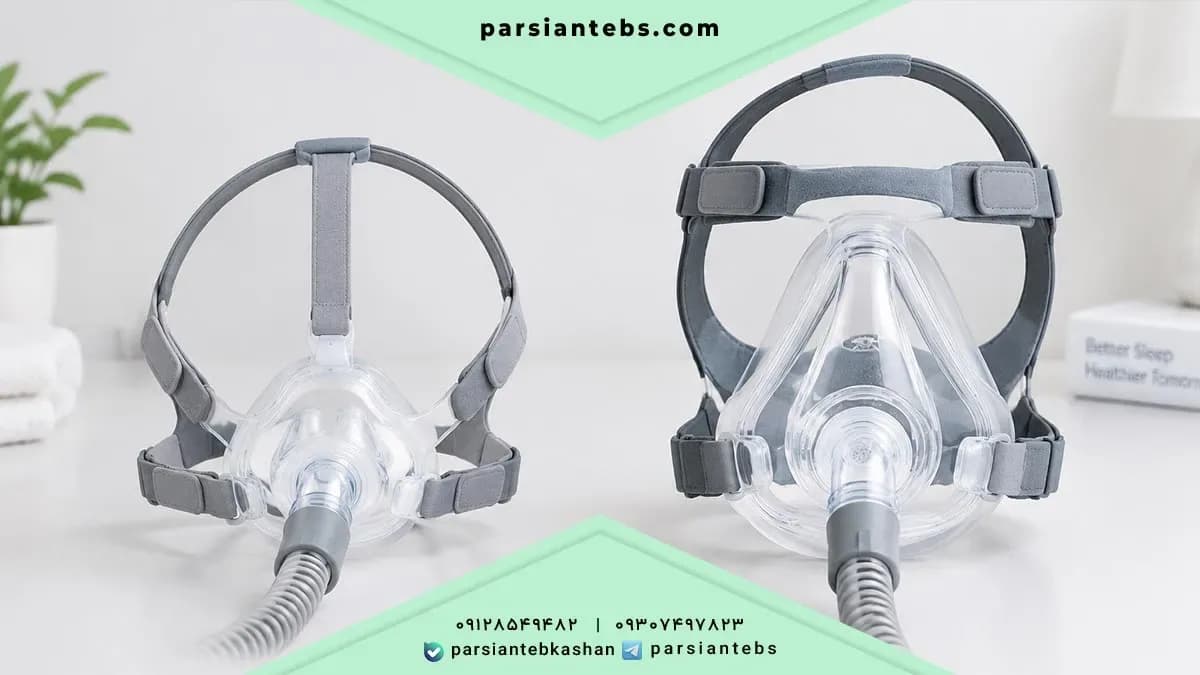
To choose between nasal and full face masks , it is best to review the following:
· How you breathe during sleep: determine whether you breathe mostly through your nose or your mouth
· Nasal condition: if you have nasal congestion or blockage, take this into account when choosing a mask
· Leaks from your current mask: if your current mask leaks, first identify the cause of the leak
· Comfort and face shape: the mask should fit the shape of your face and not create unnecessary pressure
Summary
If a person mainly breathes through the nose, has no significant congestion and does not get leaks with a nasal mask, a nasal CPAP mask can be a suitable choice. If the person regularly breathes through the mouth during sleep, has nasal congestion or gets persistent leaks with a nasal mask, a full face CPAP mask may be the more suitable option.
In both cases, choosing the right size, a proper fit and a comfortable mask are very important. So, to choose the best mask for a CPAP or BiPAP machine, it is best to review the person's breathing conditions and treatment needs alongside the features of the mask itself.